Wardrobe Care 101: Keep Clothes Looking New Longer
Learn smart laundry, storage, and repair habits to prevent fading, pilling, and stretching—so your favorite clothes look fresh and last longer.
Smart Sorting
Before you even turn on the washing machine, practice smart sorting. Separate by color (lights, darks, brights) to reduce bleeding, and also by fabric weight so delicate blouses don't tangle with heavy denim. Close zippers, fasten hooks, and turn garments inside out to protect finishes and prints. Slip lace, hosiery, and embellished pieces into mesh bags. Choose cold water for most items to curb fading and shrinkage, and reserve warm for sturdier fabrics or heavily soiled loads. Calibrate your machine's cycle: a gentle setting for delicates, a normal or permanent press for everyday wear, and a heavy-duty cycle only when truly necessary. If your area has hard water, consider a softening additive to help detergent work properly. Measure detergent with care; overdosing leaves residue that attracts dirt and makes fabrics feel stiff. A few mindful minutes at the hamper protect seams, preserve color, and set the stage for cleaner, longer-lasting clothes with less wear per wash.
Detergent & Stain Wisdom
The right detergent and method can make or break fabric longevity. For everyday soils, enzyme-based detergents break down proteins and oils efficiently at low temperatures, while pH-neutral formulas suit wool and silk. Treat stains promptly: blot, don't rub, to avoid setting pigments and abrading fibers. For grease, a sparing dab of mild dish soap can help, followed by a thorough rinse. Protein stains respond to cool water; heat can lock them in. Use oxygen-based boosters for dingy whites and avoid chlorine bleach on colors to protect dyes and elasticity. Pre-soak heavily stained items in lukewarm water with a small amount of detergent to loosen grime. Skip fabric softener on performance fabrics, as it can clog fibers and reduce breathability. Rinse thoroughly to remove residues that can dull finishes and trap odors. When in doubt, spot test in an inconspicuous area. This thoughtful, fabric-first approach keeps textures smooth, colors vivid, and garments fresher with fewer aggressive treatments.
Drying Done Right
Drying is where many clothes lose their shape, color, and resilience. High heat weakens fibers, so default to air-dry whenever possible. Lay knits flat on a clean towel to prevent stretching, gently reshaping seams and hems while damp. Hang shirts on supportive hangers and clip skirts at the waistband to preserve drape. Use a low-heat or no-heat tumble only for sturdy items, removing them while slightly damp to minimize wrinkles and prevent over-drying. Add dryer balls to improve airflow and reduce dry time without chemical softeners. Avoid prolonged sun exposure, which can fade colors; opt for bright shade with good ventilation. If your washer has adjustable spin speed, choose a lower spin for delicate fabrics to reduce stress at the seams. Smooth collars, cuffs, and plackets with your hands before drying to lock in crisp lines. This gentle approach saves energy, preserves elasticity, and keeps garments looking newly pressed without punishing heat.
Storage That Protects
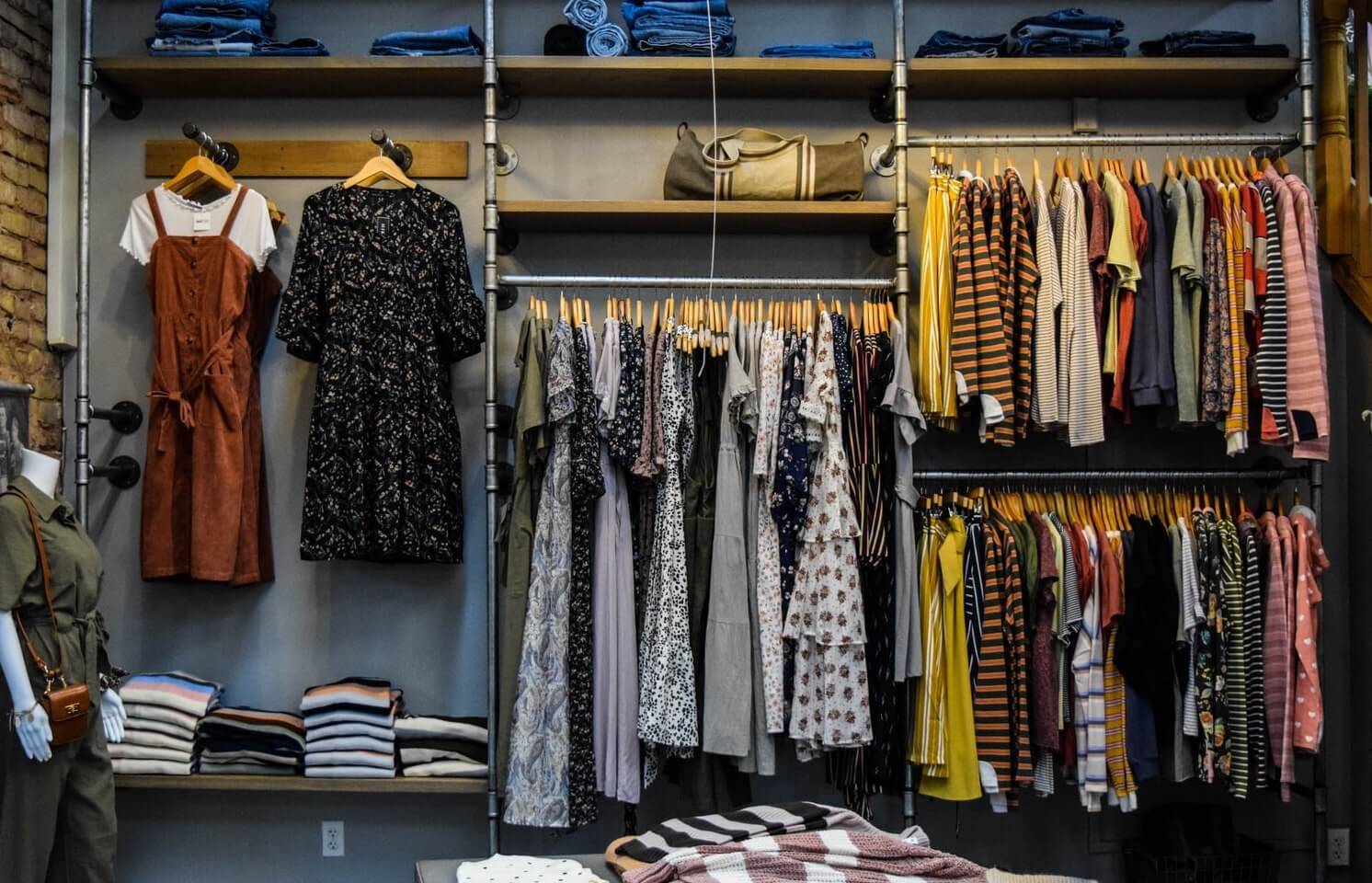
Great care continues in the closet. Use the right hangers: wooden or shaped hangers for tailored jackets, padded options for delicate blouses, and sturdy clip hangers for skirts and trousers. Fold heavy knits and sweaters to avoid shoulder bumps and stretching. Keep storage breathable—fabric garment bags and cotton bins beat plastic, which can trap moisture and invite mildew. Maintain space between pieces so air circulates and fibers relax, reducing wrinkles and friction. Slip shoe trees into leather shoes to maintain shape and absorb moisture. Tuck cedar blocks or natural sachets into drawers to deter pests without harsh chemicals. Control humidity with desiccants where needed, and rotate items periodically to distribute wear. Use dust covers for special-occasion pieces, and avoid cramming bags or belts; hang or stuff them lightly to preserve form. Thoughtful organization protects seams, prevents fading, and keeps your wardrobe camera-ready every time you open the door.
Fabric-Specific Care
Understanding fabric personalities prevents guesswork. Cotton thrives in cold to warm washes and benefits from turning items inside out to guard color. Linen loves room to breathe; reshape while damp and press with steam for a lived-in polish. Wool prefers pH-neutral detergents, cool water, and minimal agitation; lay flat and use a sweater comb to manage pilling. Silk deserves gentle, cool washes or careful handwashing; avoid twisting, and roll in a towel to remove excess water. Synthetics like polyester and nylon dry quickly—skip softeners to preserve moisture-wicking and stretch. Denim lasts longer washed sparingly; turn inside out, use cold water, and air-dry to protect indigo character. For lace and delicate trims, a mesh bag and gentle cycle are essential. Leather and suede require specialized care; brush lightly and spot treat conservatively, allowing time to dry. Respecting each fiber's needs preserves color, texture, and shape, extending the life and look of every piece in your closet.
Refresh, Repair, Revive
Keeping clothes looking new isn't just about washing—it's about refreshing between wears. Use a garment steamer to release wrinkles and neutralize odors, or hang items to air out in a shaded, breezy spot. A fabric shaver or sweater comb removes pills from knits, while a clothes brush lifts surface dust from wool and tailored pieces, restoring luster without washing. Tackle underarm buildup with a gentle baking soda paste and cool rinse. Mend loose buttons, small snags, and fallen hems promptly; a simple needle-and-thread kit prevents minor issues from becoming costly repairs. For lint-prone fabrics, keep a lint roller or reusable brush handy. Spot clean targeted marks to delay full washes, preserving dyes and finishes. Finish with a light pass of steam instead of heavy ironing to reduce fiber stress. These small, consistent habits deliver that just-bought feel, stretching time between washes and protecting structure, sheen, and drape.
Routines That Last
A durable wardrobe thrives on routine. Create a simple care cadence: quick inspections after wear, spot treatment as needed, and scheduled washes that match the garment's actual soil level. Rotate shoes and garments to allow fibers to rest and bounce back, reducing creases and odor buildup. Before seasonal storage, launder, repair, and place items in breathable bags; label bins so essentials are easy to find. For travel, pack with purpose—roll knits, fold structured pieces with tissue at stress points, and use a compact steamer or careful shower steam to refresh on arrival. Unpack promptly to let fabrics relax. Keep a small stain-removal stick, spare buttons, and a mini sewing kit within reach. Read care labels like a roadmap, then adapt with common sense for water temperature, cycle, and drying. Over time, these habits reduce replacements, support sustainability, and keep every outfit looking sharp, saving money while maintaining a consistently polished appearance.