The Art of Voice Acting: Bringing Animated Characters to Life
From mic technique to character psychology, discover how voice actors shape, color, and breathe life into animation with nuance, range, and heart.
Finding the Voice
A compelling animated performance begins with discovery: you read the script for clues, imagine the character's posture, and experiment until a distinct sound emerges. Start by exploring vocal range, timbre, and texture—is the character smooth and buttery, gravelly and world-weary, or bright with youthful lift? Shift vocal placement from chest to mask to nasal resonance to locate a voice that aligns with personality, status, and purpose. Physicality matters; a lifted chin, a sly smirk, or a hunched spine can reshape tone and pacing. Build a concise character bible with goals, secrets, and favorite turns of phrase so your choices stay anchored. Then stress test the voice: speak softly, shout, laugh, and whisper in character to ensure durability and consistency across scenes. Introduce purposeful imperfections—an impatient sigh, a clipped consonant, a lingering vowel—to create sonic fingerprints. Above all, avoid imitation for its own sake; pursue an original vocal DNA that supports clear storytelling within the broader entertainment landscape.
Acting First
Voice acting is acting—microphone second, motivation first. Ground your performance in objectives, obstacles, and tactics so every line carries intention. Map beats and subtext: what is the character truly asking for, hiding, or risking? Authenticity flows from emotional truth, not volume. Listen—really listen—to imagined scene partners and let reactions breathe with responsive timing. For comedy, shape setup, pause, and punch with musical precision; for drama, let silence, breath, and controlled vibrato convey inner movement. Use status and contrast to reveal arcs: start contained, then allow cracks of vulnerability to show. Calibrate pacing to genre and tone, balancing clarity with spontaneity. Protect your instrument with safe intensity; channel anger or fear through supported breath and resonance rather than throat tension. Keep a continuity log of emotional benchmarks so pickups match. When acting leads, technique enhances rather than masks, making animated personalities feel lived-in, relatable, and worthy of repeat visits within evolving entertainment worlds.
Studio Craft
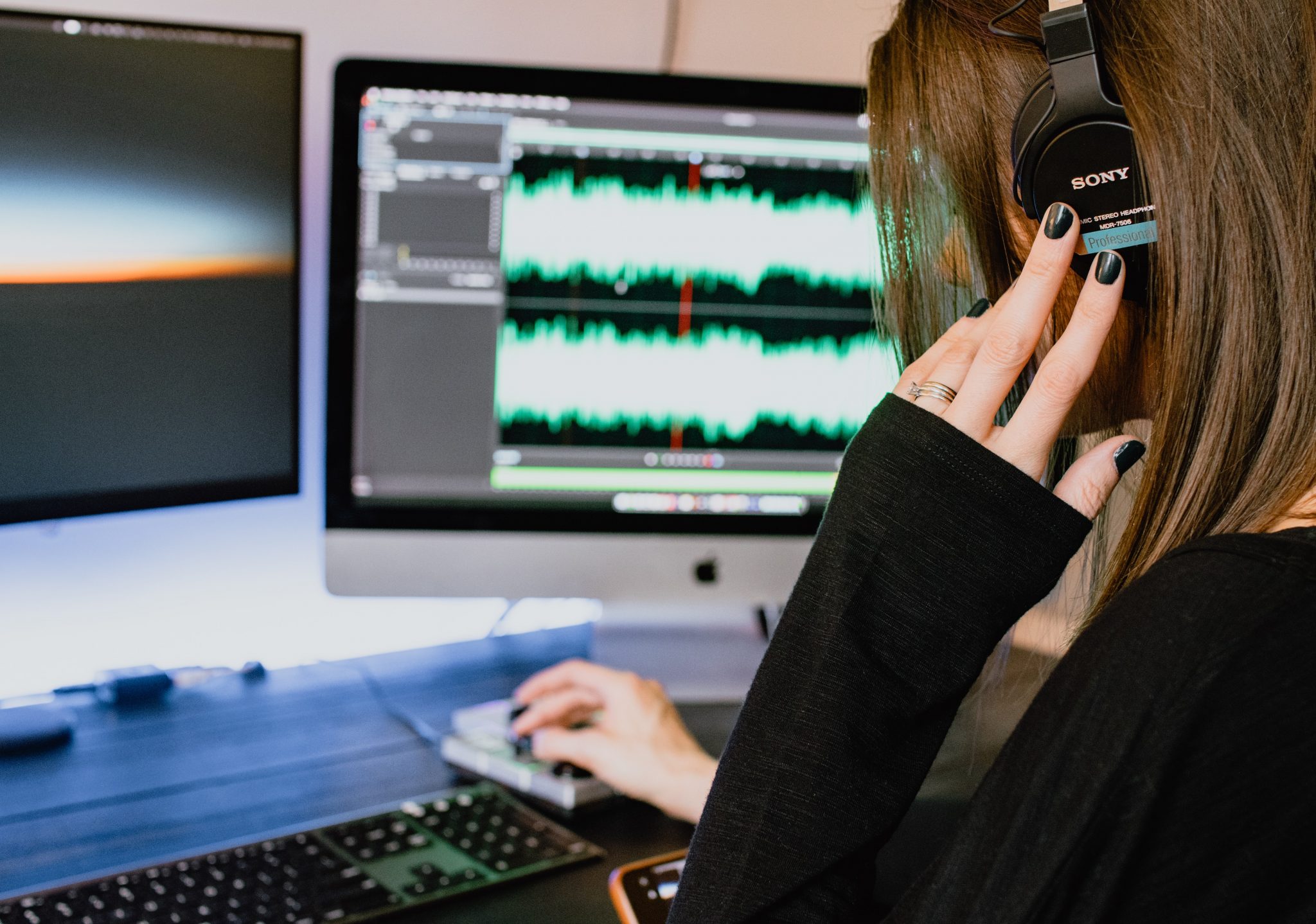
Great ideas need clean audio. Develop reliable mic technique: maintain consistent distance, aim slightly off-axis to tame plosives and sibilance, and manage the proximity effect to shape warmth without muddiness. Practice breath control so inhales feel intentional or silent; reposition to the side for big effort sounds—grunts, gasps, shouts—protecting the mic and your voice. Learn session workflows like slating, beep cues, punch and roll, and efficient pickups. Keep posture aligned, script marked, and water nearby; minimize clothing noise and page turns. Use dynamic contrast and articulation to preserve intelligibility at whisper or roar. Label takes clearly and repeat lines when the director calls for safety or variants; a smart alt take can unlock character nuance. Work with the engineer: if peaks, noise floor, or room reflections appear, adjust angle, distance, or intensity. Technical fluency removes friction, letting performance carry the story and deliver broadcast-ready results for discerning entertainment audiences.
Collaboration
Animation thrives on teamwork. Embrace direction with a spirit of collaboration, offering improvisation and alt lines that stay faithful to character while serving the script. In table reads or remote sessions, build chemistry by tracking rhythms, overlaps, and emotional handoffs. Respect canon, world-building, and tonal rules so your choices align with design, music, and pacing. For games, master effort grids, barks, and nonlinear branching, maintaining consistency across outcomes. In dubbing or localization, match lip flaps and timing while preserving intention and cultural nuance. Share reference clips or descriptors—tempo, texture, emotional color—to accelerate alignment. Celebrate animators and editors: clean cues, reliable timing, and expressive effort sounds give them material to animate believably. When notes arrive, respond with agility; small pivots in timbre, pacing, or attitude can transform a scene. The best performances feel like a conversation across disciplines, elevating characters into unforgettable figures within popular entertainment.
Longevity and Versatility
A sustainable career blends craft, care, and curiosity. Guard vocal health with hydration, steam, gentle warm-ups, mindful cool-downs, and periodic vocal rest after intense sessions. Track what strains your voice and schedule smartly. Hone business skills: craft a focused demo, refine your slate, and master the cold read so auditions shine quickly. Build a reliable home studio with thoughtful acoustic treatment and a stable noise floor, and learn basic editing to deliver clean files. Expand range without diluting identity: explore animation, anime, games, audiobooks, commercial, and narration, always centering story and character. Keep a growth mindset—study dialects, movement, and improvisation—and maintain a notebook of choices, pickups, and director preferences. Network with kindness and professionalism; punctuality and organized files earn trust. Above all, pursue play: curiosity sparks memorable choices, resilience carries you through rejections, and joyful experimentation keeps characters vibrant, fresh, and irresistible to entertainment audiences.