The Art Of Layering: Elevate Any Outfit In Minutes
Master the art of layering with foolproof formulas, textures, and proportions that turn basics into polished looks you can build in minutes.
Foundations First — Great layering starts with the quiet strength of a thoughtful base layer. Choose breathable fabrics that skim rather than squeeze, creating a clean silhouette that welcomes additional pieces without bulk. A fitted tee, fine-gauge turtleneck, or silky cami anchors everything and helps manage temperature with ease. Keep your fit intentional: closer to the body underneath, then build out with structure and gentle drape. Prioritize a cohesive neutral palette or a restrained two-tone foundation to simplify decisions and reduce visual clutter. Think about fabric weight as a hierarchy, placing the lightest against skin and finishing with the most substantial on top. This approach preserves movement, enhances balance, and prevents awkward bunching at elbows and waistlines. Before adding anything, confirm you love the starting point: smooth hems, neat necklines, and clean shoulder lines. When the base is right, even a single add-on—like an open shirt or cropped cardigan—instantly feels elevated, practical, and polished.
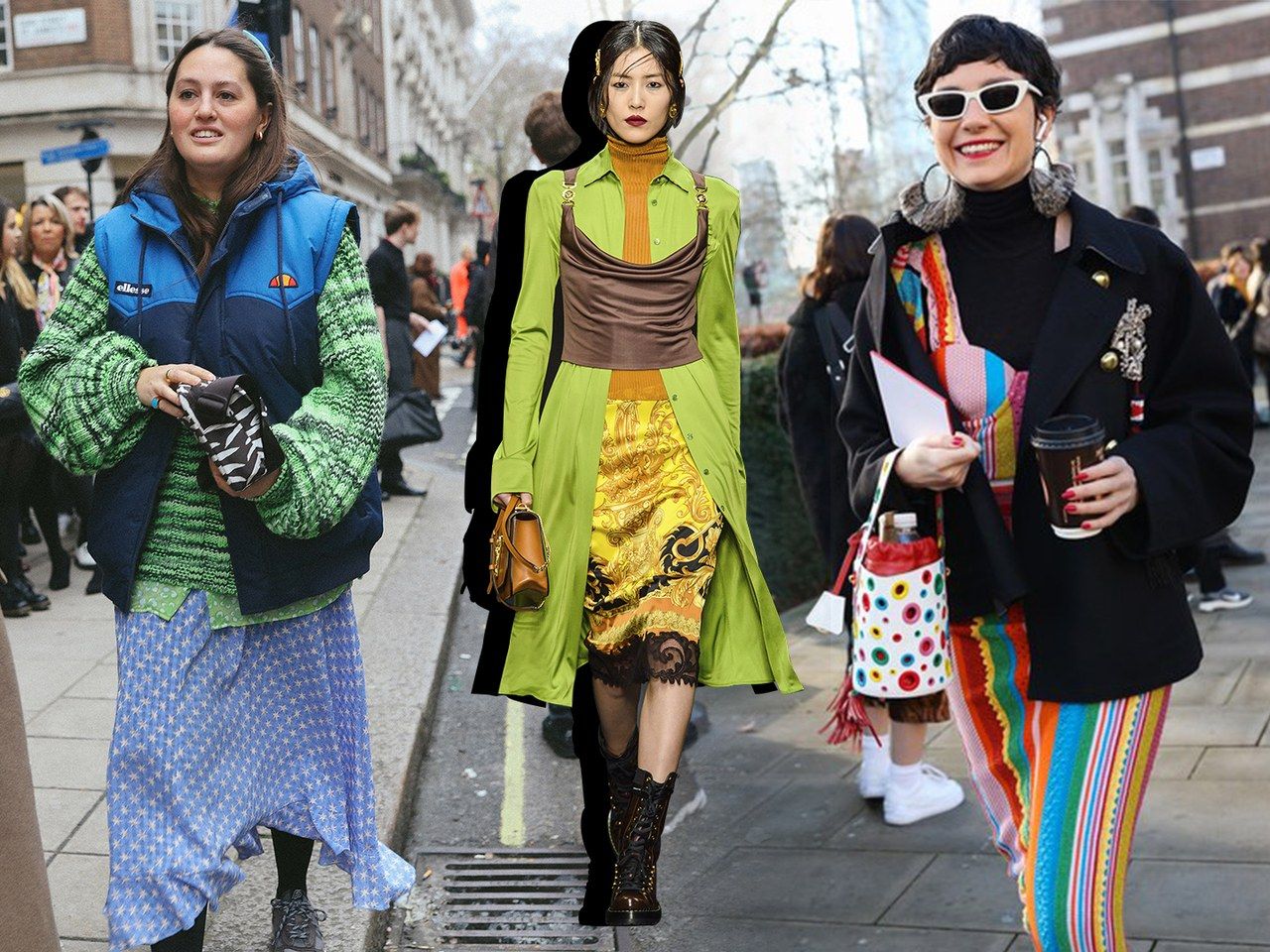
Play With Proportions — Mastering proportion turns simple pieces into sculptural style. Aim for the classic rule of thirds by breaking your look into visually pleasing ratios, such as a cropped top with high-rise bottoms or a longline layer over a fitted column. Use vertical lines—open plackets, elongated scarves, or long necklaces—to guide the eye upward and lengthen the frame. Balance volume with restraint: pair a relaxed trouser with a sharper jacket, or offset a roomy knit with a sleek skirt. Small tweaks refine shape without effort; try a half-tuck, cuff a sleeve, or push knitwear to the mid-forearm to reveal the waist and create motion. Hemlines matter too—let a shirt tail peek beneath a sweater or a blazer cover just enough hip to create clarity. Thoughtful spacing between layers keeps everything readable, so each piece contributes purposefully rather than competing for attention.
Texture Tells The Story — Smart texture mixing gives dimension that color alone cannot. Combine sleek with soft, matte with sheen, and dense with airy to create tactile depth and visual contrast. Think ribbed knits beside satin, crisp poplin under plush fleece, or polished leather over slubby linen. The interplay of surfaces catches light differently, transforming even monochrome looks into artful compositions. Use plush fabrics to add coziness where you want softness, and lean on tightly woven or subtly lustrous finishes for a touch of tailored refinement. A textured belt, pebbled bag, or embossed shoe can be the quiet bridge between larger layers. Consider placement: keep tactile elements near focal points—neckline, cuffs, and hemlines—so they frame the face and guide the gaze. As temperatures shift, texture can stand in for weight, allowing year-round interest without heft. With deliberate contrasts and a few well-chosen materials, your outfit gains depth, warmth, and lasting interest.
Strategic Color And Print — Treat color as architecture. Build harmony with tonal layers that vary in depth—sand with caramel, navy with ink, olive with moss—so each piece relates while maintaining personality. A monochrome column underneath, topped with a contrasting layer, elongates and feels instantly sophisticated. For energy, add one controlled contrast note, like a rich scarf or vibrant knit, and repeat that hue subtly in a belt edge or shoe detail to create cohesion. Manage print through scale: pair a small motif near the face with a larger, quieter pattern farther away, or stabilize bold prints with solid, anchor neutrals. Keep saturation consistent so brights don't overpower muted companions. When mixing patterns, echo a shared color family, then vary motif type—stripes with florals, checks with abstract—so they complement rather than clash. The result is a layered palette that reads intentional, modern, and endlessly wearable.
Commanding Outer Layers — The right outer layer is your instant polish, often called the essential third piece. Choose shapes that complement your base: a softly structured blazer for clarity, a fluid trench for sweep, a cropped jacket to define the waist, or a longline cardigan for graceful drape. Look for structure where it counts—clean shoulders, supportive lapels, and stable collars that frame the neckline. Test closures and vents for movement, ensuring you can reach, sit, and stride without strain. Sleeves should allow for light stacking without trapping fabric at the elbow. Consider weight and texture; a compact wool, dense twill, or sturdy denim adds form, while knits and quilted pieces bring comfort. When in doubt, select a neutral topper that plays well across palettes and occasions. A versatile layer should shift from casual to refined by swapping shoes, belts, or bags—maximizing mobility, longevity, and versatility with minimal effort.
Accessorize With Intention — Thoughtful accessories complete the narrative of your layers. Use a belt to claim the waist over knits or blazers, instantly sharpening proportion and adding a confident focal point. A scarf can be weightless polish or functional warmth, depending on fabric and knot; drape it long for verticality or loop it close to spotlight your face. Coordinate metal tones in jewelry with hardware on bags and shoes for subtle unity, or mix finishes deliberately to add character. Socks, tights, and hosiery are quiet power players—match them to footwear to extend the leg line or to hemlines for graphic definition. Choose bags by scale: a compact crossbody keeps lines clean, while a structured tote anchors volume. Let one hero shine—statement earrings, a bold cuff, or a vivid scarf—while supporting pieces whisper. Done well, accessories add texture, create focal point moments, and elegantly elevate even the simplest base.
Practical Tips And Quick Formulas — Keep performance in mind so style feels effortless. Prioritize comfort and ease with breathable underlayers, smooth linings, and anti-static solutions that prevent cling. Pre-steam key pieces to protect structure, and carry a mini brush or lint tool for crisp finishes. Test movement—raise arms, sit, and walk—to ensure nothing rides or pinches. Try reliable formula ideas: tee plus open shirt plus light jacket; turtleneck under a slip dress with boots and a long coat; column of color topped with a cropped cardigan; athleisure base with a tailored blazer for instant polish. Build a small capsule of mixable layers in harmonized tones so outfits assemble quickly. Balance warmth with packability using thin heat-trapping pieces and removable vests. Finally, edit before you exit: remove one item if the look feels busy, or add a subtle accent if it lacks intention. The result is confidence you can wear, in minutes.