Seasonal Shopping Guide: Choosing the Best Fruits and Vegetables
Shop smarter year-round with a seasonal produce guide: what to buy each season, how to pick peak-fresh fruits and veggies, and store them right.
Why Seasonal Shopping Matters
Choosing seasonal produce is one of the smartest moves in food and groceries. Fruits and vegetables picked at peak ripeness deliver fuller flavor, better texture, and often superior nutrient density, because they spend less time in storage and transport. They are typically more budget-friendly, thanks to abundant supply and shorter supply chains. Seasonal shopping also supports regional growers and reduces the environmental impact associated with long-distance shipping and refrigeration. Variety is another advantage: rotating your cart with what nature offers fosters diverse nutrients and keeps meals exciting. Think of seasonality as a built-in menu planner that nudges you toward freshness. You will notice brighter colors, juicier interiors, and naturally balanced sweetness or acidity when produce is in season. Even simple dishes—like a quick sauté, a fresh salad, or a roasted medley—shine when ingredients are genuinely fresh. By following the rhythm of the seasons, you cultivate better eating habits, reduce waste, and enjoy a tastier, more economical approach to everyday cooking.
Spring Picks
Spring ushers in tender greens, crisp stems, and delicate flavors. Look for asparagus with tight tips and firm, snappy stalks; avoid wrinkling or dryness at the cut end. Fresh peas should be plump and cool to the touch, with taut pods that squeak slightly when rubbed together. Early strawberries carry a sweet aroma and a deep, uniform red; steer clear of bruising or white shoulders near the stem. Radishes feel heavy for their size and have glossy leaves when truly fresh. Leafy greens—spinach, arugula, lettuces—should appear vibrant, with no slimy patches or yellowing. Store delicate greens in high-humidity crisper drawers, wrapped lightly to prevent excess moisture while maintaining crisp texture. For cooking, emphasize quick methods that protect tenderness: light steaming, flash sautéing, or a lemony raw preparation. Herbs like chives, dill, and parsley brighten everything; keep stems in a jar with water and loosely cover to extend freshness and maximize spring's gentle character.
Summer Bounty
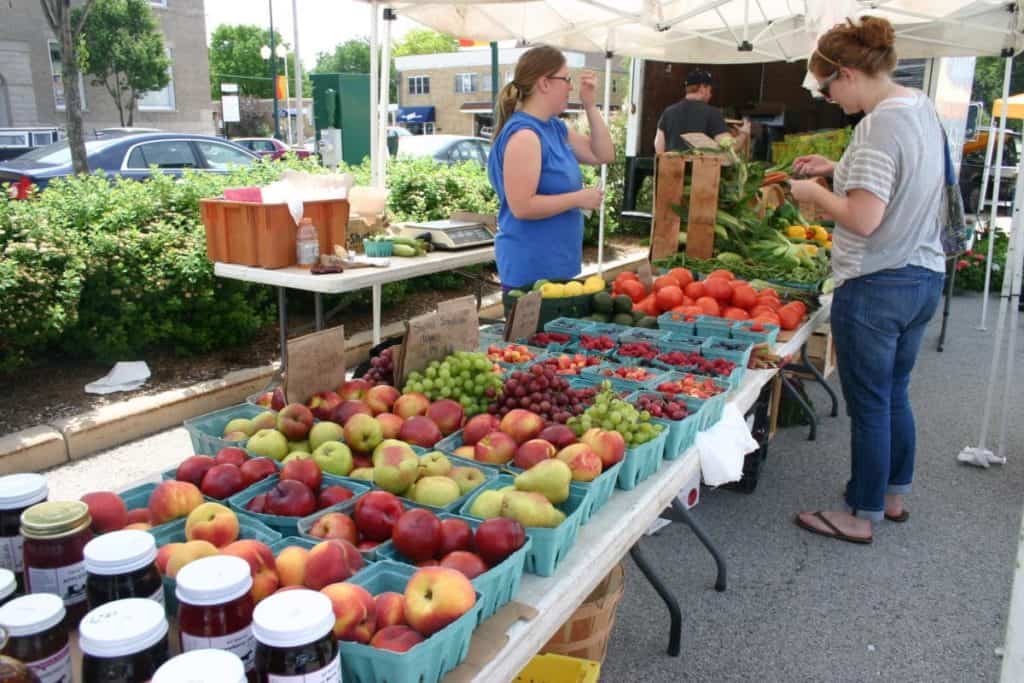
Summer rewards shoppers with juicy, sun-sweet produce. Tomatoes should feel heavy, smell fragrant at the stem end, and yield slightly under gentle pressure; let them ripen at room temperature for better flavor. Peaches, nectarines, and plums develop complex aromas as sugars rise—look for slight softness near the stem and unblemished skin. Berries must be dry, deeply colored, and free of leaks; refrigerate promptly and rinse only just before eating to preserve delicate structure. Melons feel weighty for their size, with a subtle, sweet scent and a slight give at the blossom end. Cucumbers and zucchini should be firm, glossy, and medium-sized to avoid excess seediness. Sweet corn benefits from plump, uniform kernels under the husk; silks should be golden and slightly sticky. Keep textures lively with grilling, quick sautés, or raw salads that showcase natural sweetness and seasonal acidity. Lean into simple pairings—fresh herbs, citrus, olive oil—to let summer's peak flavors take the lead.
Autumn Harvest
Autumn brings hearty textures and warming flavors perfect for roasts and stews. Winter squash should feel dense, with matte, hard skin and a sturdy, dry stem; avoid soft spots that signal internal breakdown. Look for sweet potatoes that are smooth and firm, without sprouting or wrinkling. Apples and pears shine when crisp, aromatic, and free from punctures; a gentle squeeze should indicate juiciness without mushiness. Beets, carrots, and parsnips are best when heavy, indicating concentration of natural sugars. Brassicas—broccoli, cauliflower, and Brussels sprouts—should look tightly packed and vivid, without yellowing or strong off-odors. Store roots in a cool, dark place with moderate humidity, and keep apples separate from leafy greens to prevent ethylene from accelerating wilting. Embrace techniques like roasting to encourage caramelization, which enhances sweetness and adds depth. Spice blends, toasted seeds, and bright acids (like a splash of vinegar or citrus) balance autumn's richness, turning simple produce into satisfying, layered dishes.
Winter Winners
Winter produce proves that flavor thrives even in colder months. Citrus fruits are at their juicy best; choose specimens that feel heavy, with smooth, vibrant skin and a lively aroma. Kale, cabbage, and collards offer robust leaf structure that stands up to braising, sautéing, or massaging for salads; look for crisp leaves and sturdy ribs. Leeks should have white, firm bases and bright green tops with minimal yellowing. Hearty roots—turnips, rutabagas, and celery root—deliver earthy complexity; pick those that feel dense and free from major blemishes. Don't overlook flash-frozen vegetables and fruits, harvested at peak ripeness and preserved quickly; they can be excellent for soups, smoothies, and casseroles. When selecting canned options, opt for products with no added sugar and low sodium to keep flavors clean and nutrition balanced. Slow cooking, roasting, fermenting, and pickling highlight winter's depth, transforming sturdy produce into comforting meals with nuanced textures and a welcome brightness.
Smart Buying Moves
A savvy produce cart starts with a plan anchored in seasonality. Sketch a flexible meal outline, then let the freshest finds shape your choices. Compare by unit price to gauge true value, and remember that whole items are often more cost-effective than pre-cut, though prepped options can save time when you're busy. Shop with your senses: look for vibrant color, inhale for subtle fragrance, and check weight relative to size. Favor middle-sized items for balanced flavor and texture; oversized produce can be watery or fibrous. Ask for ripeness guidance and cooking ideas—quick tips can prevent waste. Build versatility into your cart: choose a mix of eat-now and ripen-at-home items, and pick produce that fits multiple dishes. Consider local options for freshness and fewer transit days. Finally, balance splurges with staples, and use weekly specials to nudge creativity. Thoughtful buying keeps quality high, costs manageable, and your kitchen effortlessly aligned with the seasons.
Storage and Waste-Savvy
Keeping produce fresh is a matter of humidity, airflow, and separation. Use the crisper's high-humidity drawer for leafy greens and herbs, and the low-humidity drawer for ethylene producers like apples and pears. Store bananas, onions, and potatoes separately; potatoes prefer a cool, dark place with ventilation. Wrap herbs lightly or stand them in a jar of water, loosely covered; switch to damp towels for hardy greens to maintain crispness. Berries last longer when spread in a single layer, dry and cold, with rinsing delayed until just before eating. Mushrooms prefer a paper bag to prevent sogginess. Revive wilted greens with a brief ice-water soak. Portion and flash-freeze surplus produce—blanch vegetables to preserve color and texture, and freeze fruit pieces on a tray before bagging. Practice FIFO (first in, first out) and cook stems and peels where edible for root-to-stem efficiency. These small habits stretch your budget, reduce waste, and ensure vibrant meals throughout the week.