Quiet Luxury and the Minimalist Lifestyle Movement
Quiet luxury meets minimalism: how restraint, craftsmanship, and intentional living reshape fashion, interiors, and daily habits for enduring value.
Whispered Status: Defining Quiet Luxury
In a marketplace saturated with noise, quiet luxury signals refinement through restraint. It is the art of selecting pieces whose value resides in materiality, proportion, and craftsmanship, rather than conspicuous labels. Think of buttery leather that softens with time, hand-finished seams, a neutral palette that flatters every season, and silhouettes designed for timelessness rather than hype. Quiet luxury privileges fit over flash, and texture over trend-chasing graphics. It is an attitude as much as an aesthetic: a belief that confidence does not need to shout. This current within lifestyle trends extends beyond fashion to interiors, hospitality, and even tech accessories, where tactile quality and ergonomic clarity outweigh novelty. The result is an ecosystem of objects that age beautifully, invite care and repair, and cultivate a soothing rhythm in daily life. Quiet luxury is not about scarcity for its own sake; it is about discretion, enduring value, and the subtle pleasure of living with fewer, better things.
Minimalism as a Way of Life
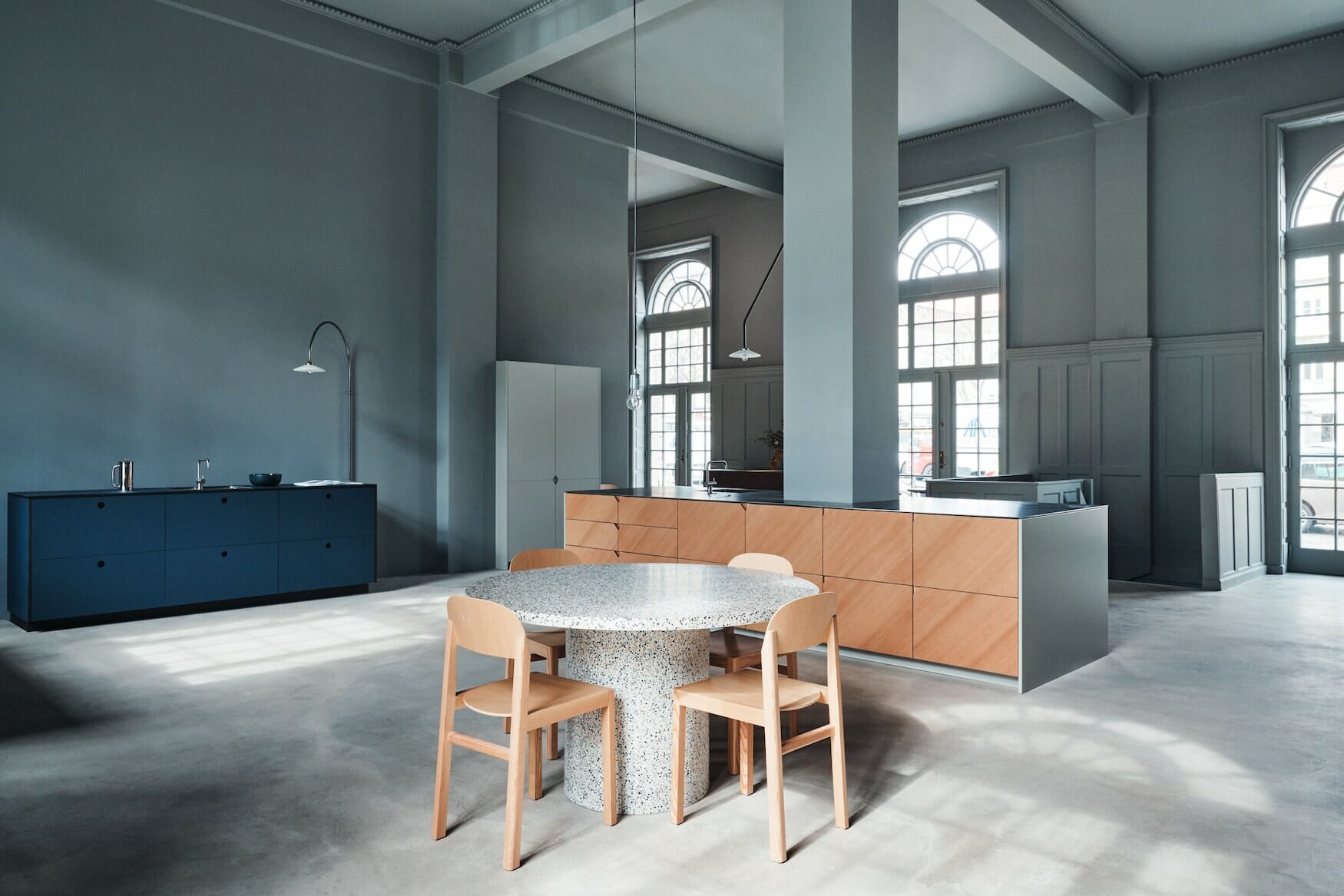
The minimalist lifestyle movement reframes success as clarity of purpose, not accumulation. It prioritizes intentional living, focusing energy and resources on what truly serves well-being. Decluttering is only the visible entry point; beneath it lies a deeper practice of auditing commitments, defining personal standards, and designing environments that reduce friction. In interiors, understated design favors breathable space, balanced negative areas, and a limited but warm palette accented by natural materials like wood, linen, and stone. In the digital realm, attention minimalism limits notifications, streamlines apps, and champions single-task focus. The movement acknowledges that minimalism can feel austere if handled without empathy, so it embraces comfort, texture, and ritual to create homes and habits that are spare yet human. Central to this trend is sufficiency: owning the right amount, not the smallest amount. The payoff is practical and psychological, freeing time, lowering decision fatigue, and recentering life around meaning rather than maintenance.
Where Aesthetics and Values Meet
Quiet luxury and minimalism intersect where values inform aesthetics. Both elevate quality over quantity, ask for longer product lifecycles, and encourage thoughtful editing. This convergence shows up in capsule wardrobes built from impeccably cut basics, footwear resolable by design, and accessories in unfussy shapes that complement rather than dominate. At home, it appears in multipurpose furniture, durable natural fibers, and lighting that prioritizes warmth and function. Socially, the trend is a response to overstimulation and brand saturation, trading logo-centric signaling for markers like provenance, repairability, and material integrity. Economically, it reframes value through cost per wear and the joy-per-use metric, making a compelling case for investing in fewer, better pieces. Ecologically, it naturally supports sustainability by reducing churn and waste. The synthesis is not ascetic; it is generous in quiet ways, creating room for presence, conversation, and experiences that outlast any single purchase, aligning personal taste with planetary and psychological well-being.
Practical Steps to Begin
Adopting this trend starts with an audit: list what you use often, what you love, and what merely takes up space. Build a core palette for clothing and interiors, then add depth with texture rather than more color. In wardrobes, prioritize tailoring, breathable natural fabrics, and versatile silhouettes that layer easily. Try a purchase pause, set a one-in one-out rule, and evaluate items by fit, fabric, function, and finish. For the home, choose modular storage, invest in lighting that mimics daylight, and select durable surfaces that patinate gracefully. Elevate care as a practice: learn basic mending, use conditioners on leather, rotate knits, and launder less but better. Explore resale, repair, and local artisans to access quality across budgets. Finally, create rituals that reinforce intention, like weekly resets and digital quiet hours. Over time, these habits compound, transforming spaces and wardrobes into cohesive systems that feel calm, look refined, and work hard every day.
Cultural Drivers and Psychology
The rise of quiet luxury and minimalism is as psychological as it is visual. In an age of constant pings and pressure to perform, people seek sensory calm and narrative depth. Subtle design acts like a deep breath, lowering cognitive load and letting craft tell the story. Status signaling evolves from logos to literacy: knowing fibers, understanding construction, and recognizing provenance become the new fluency. Hospitality and wellness spaces mirror this shift with softened acoustics, warm neutrals, and tactile details that invite touch and slow the pace. There is also a trust component; items that feel honest and well made reassure us in uncertain times. Minimalism complements this by removing visual clutter that amplifies stress, while rituals like mindful dressing or evening resets restore agency. The cultural undercurrent is a move from abundance to discernment, from exhibition to essence. People do not want more options; they want better filters, fewer regrets, and things that quietly earn their keep.
What Comes Next for the Trend
Looking ahead, this trend will likely deepen through circularity, repair services, and transparent material stories. Brands and makers that highlight craftsmanship, modular design, and upgrade paths will align with buyers seeking longevity. Expect growth in resale platforms, wardrobe care tools, and furnishings that can be disassembled, refinished, or reupholstered rather than replaced. Technology will play a supportive role through digital quiet features, minimal interfaces, and devices that age gracefully with replaceable components. The aesthetic may warm further, balancing restraint with comfort and soft color accents to avoid sterility. Pitfalls to watch include performative minimalism that hides clutter rather than rethinking consumption, and monotony that ignores personal expression. The strongest expressions will remain human-centered, inclusive across price points, and rooted in education about fibers, finishes, and maintenance. In short, the future favors thoughtful systems over spectacle, where discreet beauty, durability, and intention define modern luxury.