Photography Tips to Capture Your Best Travel Moments
From composition and light to storytelling and gear, use these pro travel photography tips to capture authentic, memorable moments on any trip.
Start With a Story. Great travel photos begin long before you press the shutter. Define your intent: Are you highlighting food, landscapes, architecture, or intimate encounters with local life? Build a simple shot list around a theme to guide your eyes when the scene feels overwhelming. Research vantage points, festivals, markets, and quiet corners that reveal a destination's character, then allow room for serendipity. Pre-visualize sequences: an establishing wide scene, medium context, and textured close-up details. Think about a color palette that echoes the mood you want to convey, from earthy tones in desert towns to cool hues by the sea. Carry a small notebook to jot impressions and sensory cues that can inspire visual storytelling later. Upon arrival, take a slow walk to scout light and angles, noting reflections, signage, and human activity patterns. A clear story ensures each frame has purpose, helping you capture not just places but the feelings that made your journey meaningful.
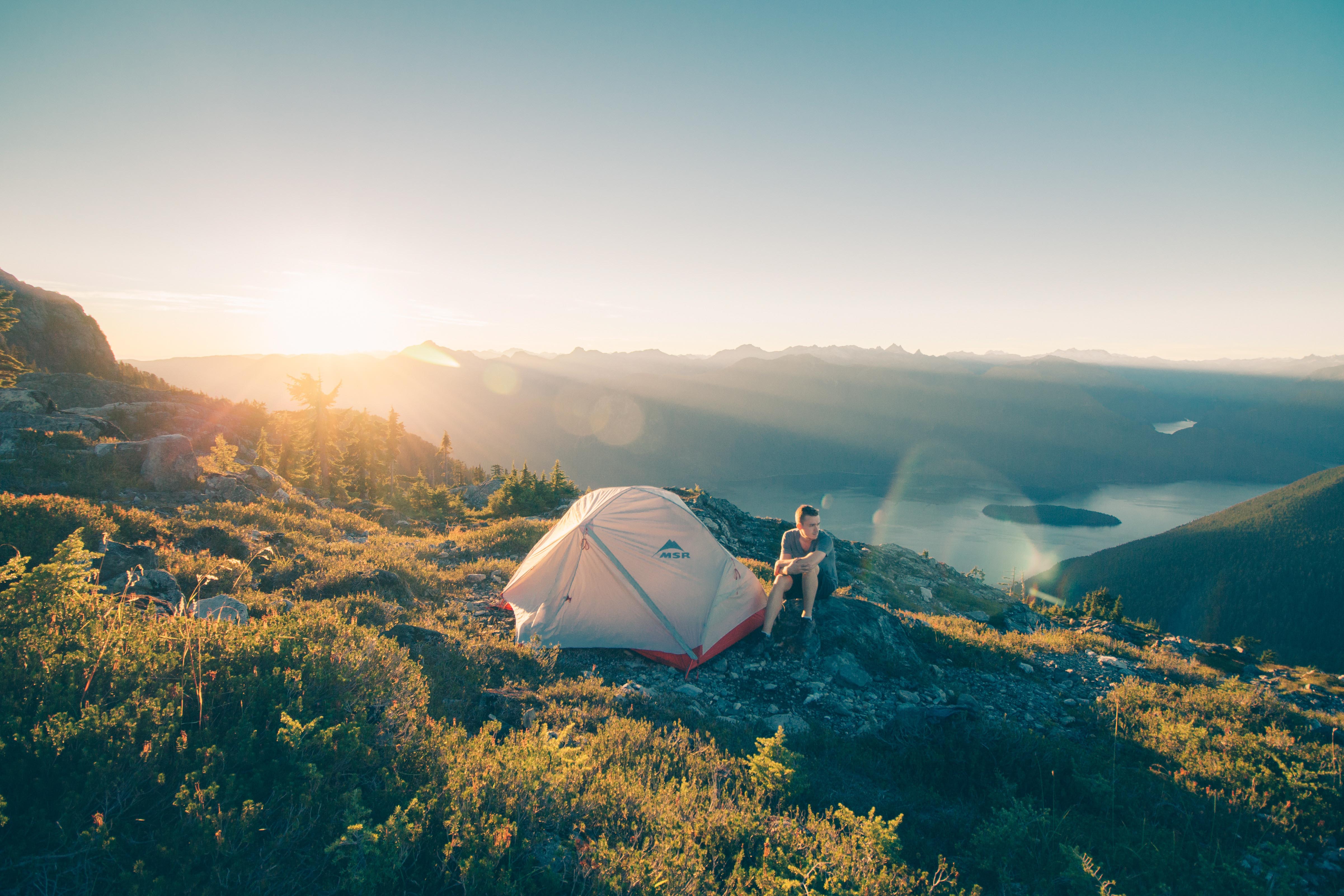
Light as Your Compass. The way you read and shape light will determine the mood and clarity of your travel photos. Notice direction: front light reveals color; side light adds texture and depth; backlight creates luminous rims and bold silhouettes. Clouds act as a giant softbox, perfect for portraits and markets with high contrast. Seek open shade near doorways or under arches for gentle, flattering faces. Use reflective surfaces—sand, water, pale walls—to bounce glow onto your subject. Adjust exposure compensation to protect highlights when scenes are bright, and learn to read your histogram for balanced detail. In mixed lighting, set or fine-tune white balance so whites stay clean and skin tones look natural. For shimmering water or glass, a polarizing filter controls glare and deepens skies. In low light, steady your camera by bracing against a wall, exhaling slowly as you press the shutter. When in doubt, move your feet; a step to the side can transform harsh light into magic.
Compose With Confidence. Strong composition turns casual snapshots into compelling travel narratives. Start by simplifying the frame: remove distractions and watch your edges. Use the rule of thirds to place horizons and subjects with intention, or break it boldly when symmetry steals the show. Guide the viewer's gaze with leading lines such as staircases, shorelines, or alleyways. Add a foreground element—flowers, signage, rails—to create depth and a sense of presence. Seek frames within frames like windows and archways, and embrace negative space to give subjects breathing room. Keep horizons level and watch for mergers, where objects unintentionally intersect with your subject. Experiment with vantage points: kneel for drama, climb a step for order, or tilt for dynamic tension. Switch between vertical and horizontal orientations to serve the story. Finally, build layers—background, midground, foreground—to anchor the viewer in place and time, turning each image into a small, complete world.
People and Place. Portraits breathe life into travel albums, but approach with warmth and respect. Start by observing; a smile and a few kind words can open doors. Seek consent whenever appropriate, and honor a no with gratitude. Aim for environmental portraits that show context—tools, textiles, storefronts—so faces and places converse. Position your subject in gentle shade or use a light-colored wall as a natural reflector to brighten eyes and add a clean catchlight. Choose backgrounds that complement rather than compete; step sideways to avoid clutter, signs, or poles sprouting from heads. Encourage natural gestures: a laugh with a vendor, a cook stirring, hands weaving. Frame at eye level for intimacy or slightly below for quiet strength. If shooting candid moments, maintain awareness of local customs and personal space. When you share, consider how your images represent communities, avoiding stereotypes. Done well, portraits become bridges—images that honor both traveler and host.
Master Motion and Timing. Travel hums with movement—waves rolling, dancers twirling, street vendors in flow. Use shutter speed intentionally: fast settings freeze splashes and leaps; slower ones paint motion blur that conveys energy. Practice panning by moving with a biker or tram, keeping the subject sharp against a streaked background. For silky water or bustling crowds turned to ghostly trails, stabilize your camera on a ledge, railing, or compact tripod. Activate burst mode to catch expressive peaks—a jump, a wink, a bird taking flight. Anticipate moments by watching patterns and listening for cues; pre-focus where the action will pass. To prevent camera shake, use a gentle press or a short self-timer. Blend motion with story: contrast a blurred crowd against a still vendor, or capture waves swirling around rooted rocks. Remember, timing is empathy; patience lets scenes unfold so your frames feel lived, not chased.
Pack Smart, Shoot Smarter. Travel rewards lightweight and versatile kits. Choose a small set of tools you know well: a compact zoom for range, a bright prime for low light and portraits. If you rely on a phone, shoot RAW, explore night and portrait modes, and adjust exposure by tapping and sliding. Keep spare batteries, a fast memory card, and a simple cleaning kit—microfiber cloth, blower, and a small brush. Shield gear with a rain cover or resealable bag, and use a lens hood to tame flare. Stabilize without a tripod by locking elbows to ribs, using a wall, or practicing slow, controlled breathing. Consider a mini clamp or tabletop support for long exposures. Organize as you go: create daily folders, star favorites, and maintain a basic backup to a second card or portable drive. Most importantly, keep your camera accessible; the best shot often appears when you travel light, stay curious, and move with intention.
Refine, Curate, and Share with Care. Post-trip, your images deserve thoughtful editing and curation. Start by culling ruthlessly: keep frames that serve your story and let near-duplicates go. Make gentle global adjustments—exposure, contrast, white balance—before adding selective tweaks to guide attention. Straighten horizons, correct lens distortion, and crop with purpose while guarding authenticity. Resist heavy-handed color shifts or overly crisp sharpening that erases atmosphere. Sequence a narrative: opener, context, characters, details, and a closing image that lingers. Write honest captions that add insight without giving away fragile locations; be mindful with geotagging in places under ecological or cultural strain. Add keywords and ratings so future you can find images fast. Maintain at least two backups stored separately. Finally, reflect on representation: credit collaborators where possible, share with sensitivity, and remember that responsible storytelling travels further than spectacle.