From Script to Screen: How Stories Become Cinematic Experiences
Trace the journey of a story from first draft to final cut—how craft, collaboration, and technology turn words on a page into cinematic emotion.
The Spark of a Story
Every cinematic journey begins with a simple premise that asks, What if? From that seed grows a theme, a protagonist with a compelling goal, and obstacles that test resolve. Writers craft a concise logline to clarify the core conflict and tone, then expand into character arcs that promise change. A beat sheet maps pivotal moments, ensuring narrative momentum before a single page is typed. Genre expectations guide the mood, whether intimate drama or kinetic thriller, while world-building sets rules that shape choices and consequences. Crucially, the story must deliver a clear emotional promise: awe, laughter, tension, catharsis. The earliest drafts explore voice and point of view, balancing plot mechanics with human truth. By interrogating motive, stakes, and escalation, creators transform a spark into a blueprint for empathy. In this stage, constraints become catalysts, and imagination provides the raw material that will eventually translate into light, sound, and performance.
From Outline to Script Pages
With the spine established, the outline evolves into scenes that live and breathe on the page. Screenwriters use slug lines, action lines, and dialogue to choreograph time and space, writing visually so readers can see the movie unfold. Subtext keeps conversations layered, while beats regulate rhythm, surprise, and revelation. The three-act structure remains a reliable compass, yet modern scripts often play with nonlinear storytelling, anchoring viewers through clear intentions and escalating stakes. Draft by draft, writers refine setups and payoffs, trim soft moments, and chase specificity: what a character wants, what stands in the way, and how choices deepen conflict. Coverage and table reads expose weaknesses in pacing and clarity, prompting targeted rewrites. Voice is preserved, but clutter is cut, allowing theme to emerge organically. By the time pages are locked, every scene earns its place, every line propels momentum, and the story engine hums with purpose.
Pre-Production: Building the Blueprint
Pre-production translates words into a concrete plan. A meticulous script breakdown identifies locations, props, wardrobe, stunts, and visual effects, informing a realistic schedule and budget. Directors and producers assemble a team that aligns with the project's ethos, from production design to costume and makeup, each department shaping world and character with tactile detail. Casting brings humanity to archetypes, finding performers whose instincts amplify nuance. Meanwhile, location scouting negotiates light, sound, logistics, and permits, while storyboards and shot lists establish cinematic grammar: composition, movement, and transitions. A lookbook or mood board codifies color, texture, and tone, keeping the creative conversation focused across departments. Technical planning anticipates weather, company moves, and turnaround, protecting both artistry and safety. The goal is alignment: a shared vision where every craft knows why choices matter. When this blueprint is robust, the shoot becomes an act of focused discovery rather than chaos management.
On Set: Translating Words into Images
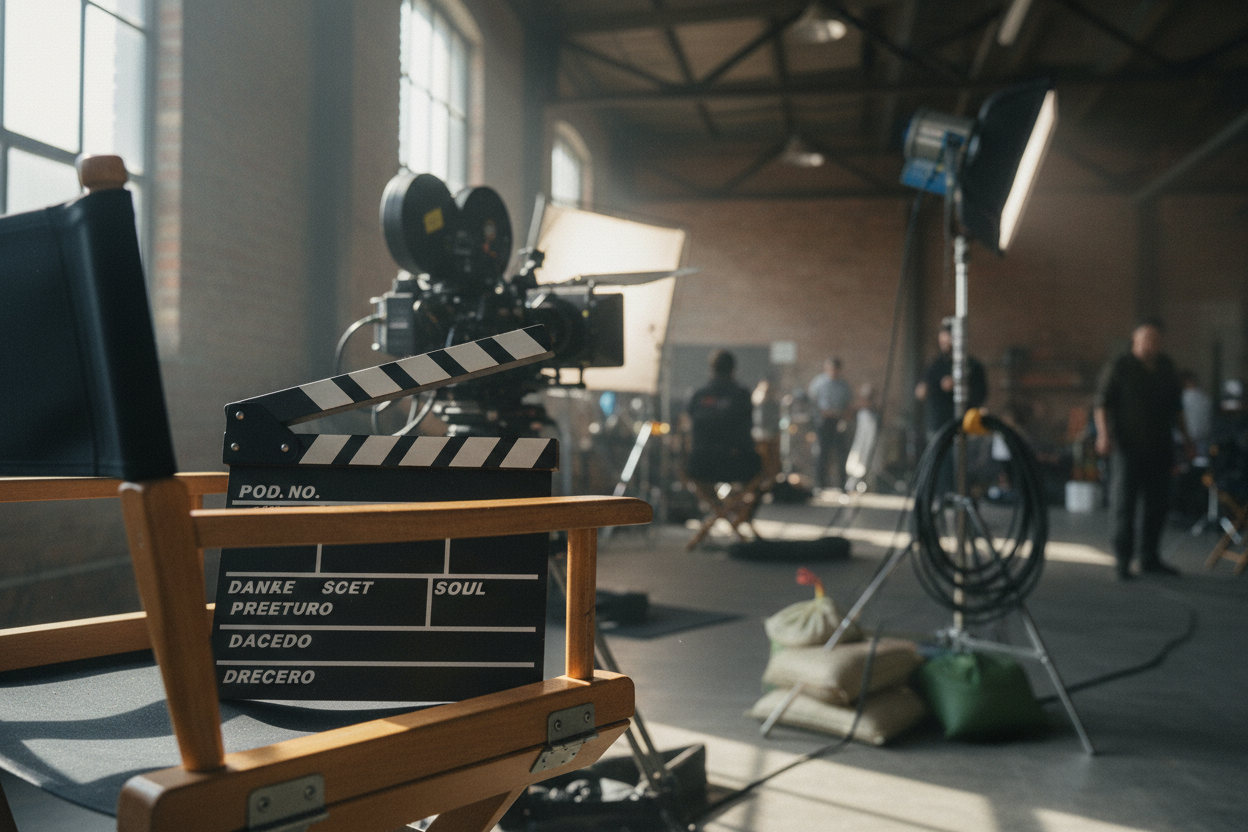
Production is where intention meets reality. The director and cinematographer sculpt blocking, framing, and lighting to shape emotion, while camera movement conveys perspective and energy. Actors and directors collaborate to refine beats, calibrating performance to the lens; a whisper can be thunderous in a close-up. The script supervisor tracks continuity and lines, guarding the edit before it exists. Meanwhile, the first assistant director orchestrates pace and safety, keeping departments aligned so creativity can flourish under pressure. Sound design begins here with clean production audio, room tone, and mindful mic placement, because polished visuals need supportive soundscapes. Practical effects, props, and costumes tell silent stories through texture and wear. When surprises arise—weather, schedules, inspiration—the team adapts, capturing happy accidents without losing narrative intent. Coverage is strategic, balancing efficiency and editorial freedom, so the story can later be sculpted with precision while preserving spontaneity.
Post-Production: Crafting the Final Experience
In post-production, the film finds its heartbeat. Editors shape performances and pacing, discovering rhythms that script pages only hinted at. Picture lock follows rounds of experimentation, where structure is tightened, scenes are reframed, and the story's emotional arc is clarified. Sound design, Foley, and ADR add depth and clarity, building environments that breathe. A thoughtfully composed score and calibrated mix guide the audience's feelings, ensuring dialogue, music, and effects coexist without crowding. Color grading unifies mood and continuity, steering warmth, contrast, and saturation to underscore theme. If visual effects are present, compositing integrates them as story-serving elements rather than spectacle for its own sake. Title design and graphics provide identity and flow. Early screenings offer fresh perspective, sparking final trims that sharpen intent. The result is a cohesive cinematic experience where every creative choice—image, sound, silence—works in concert to honor the original spark and elevate it for the screen.