Freezer-Friendly Foods: What to Buy, Prep, and Store
Stock your freezer the smart way: best foods to buy, easy prep tips, safe storage times, and thawing hacks to save time, cut waste, and keep meals tasty.
Smart Freezer Buys
Stock your freezer with versatile proteins, colorful produce, and reliable staples that hold quality over time. Boneless chicken thighs, ground beef or turkey, salmon fillets, and peeled shrimp freeze beautifully and adapt to countless recipes. Vegetables like peas, corn, spinach, broccoli, and stir-fry mixes perform well, while fruits such as berries, mango, and pineapple stay sweet and ready for smoothies or baking. For bakery items, sliced bread, bagels, tortillas, and pita defrost quickly and toast up perfectly. In the dairy aisle, choose butter, shredded or block hard cheeses, and plain yogurt when you plan to cook with it. Keep broth, stock, and cooked beans on hand for fast soups and stews. Herbs chopped and frozen in oil, plus pesto in cubes, add instant flavor. Doughs like pizza or cookie dough freeze well portioned. Skip delicate, high-water produce like lettuce or cucumber and most soft, fresh cheeses, as their texture can break down. Whole eggs freeze best cracked and lightly beaten in labeled portions.
Prep Like a Pro
Quality in equals quality out, so start with fresh ingredients and thoughtful prep. For many veggies, a quick blanching (brief boil, then ice bath) locks in color, nutrients, and texture. Drain and pat dry thoroughly to minimize ice crystals. Spread delicate items like berries or meatballs on a tray to flash-freeze, then transfer to bags so they don't clump. Practice smart portioning: pack single-meal servings for proteins, one-cup scoops for cooked beans or grains, and family-size pouches for soups and stews. Always cool quickly before freezing to prevent condensation that leads to ice. Flatten sauces and chilis in bags to freeze flat; they stack neatly and thaw evenly. Season meats before freezing for convenience, or add a simple marinade (watch acidity for long freezes). Label each package with the item, seasoning notes, and date. Finally, remove as much air as possible to protect flavor, reduce freezer burn, and speed up thawing later.
Storage That Protects
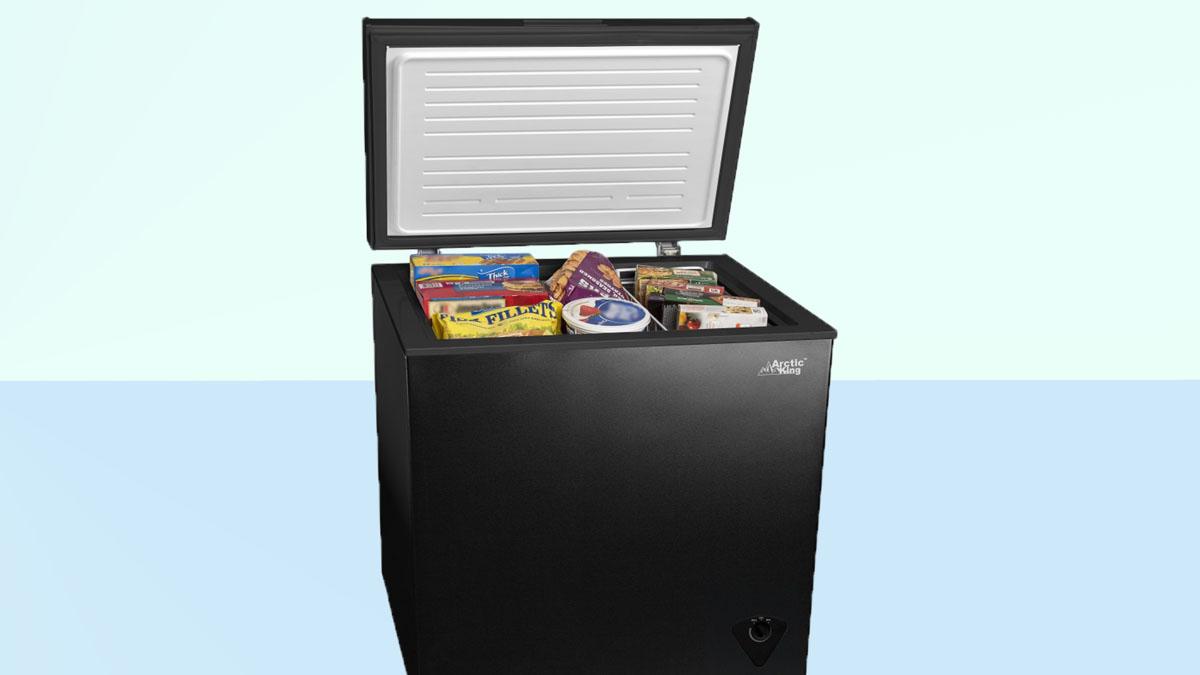
The right packaging preserves texture, flavor, and nutrition. Use heavy-duty, freezer-safe bags for flat items and sauces; push out air with a straw or use vacuum sealing for best results. For soups and stews, choose rigid containers, or wide-mouth glass jars and leave headspace for expansion. Wrap meats tightly in plastic or parchment, then add a second layer of foil to create a barrier against moisture loss. Double-wrap bread to keep it tender. Keep odors contained by separating aromatic foods like onions or fish, and dedicate a bin for baked goods to prevent flavor crossover. Maintain a consistent, cold environment around 0°F / -18°C and avoid frequent door openings. Practice FIFO (first in, first out): place newer items behind older ones, and keep labels visible. Organize by category—proteins, produce, meals, snacks—so you can grab and go. Don't overcrowd; good airflow chills food faster, which helps preserve structure and reduces ice crystal formation.
Easy Make-Ahead Meals
Transform ingredients into batch-cook heroes that simplify busy days. Cook hearty soups, stews, chili, and sauces like marinara or curry bases, then cool, portion, and freeze flat. Prepare trays of meatballs, baked meatloaf slices, or shredded chicken for tacos and salads. Build breakfast powerhouses—burritos, egg muffins, and waffles—individually wrapped for quick toasts and reheats. Portion smoothie packs with fruit, greens, and seeds; add liquid when blending. Cooked grains (rice, quinoa, farro) and beans freeze well in single-cup servings for bowls and sides. Freeze pesto, tomato paste, and compound butters in cubes to drop into pans. For thawing, the fridge is safest; sealed cold-water baths speed things up; microwaves work for sauces and grains. Many casseroles and lasagnas can bake from frozen if covered and extended slightly. Practice solid food safety: never thaw at room temperature, reheat to steaming hot, and avoid refreezing unless the food was kept cold and handled properly.
Organize, Rotate, Save
A tidy freezer stretches your budget, reduces waste, and keeps meals inspiring. Assign zones—top for ready-to-eat items, middle for meats and meals, door for quick-grab snacks—and use clear bins so contents stay visible. Keep a simple inventory on your phone or a magnet board, grouped by category with portion counts. Note must-use-first packages and plan weekly meals around them. Prioritize labeling: include the item, date, and any seasoning notes so nothing becomes a mystery bundle. Combat freezer burn by removing air, right-sizing containers, and double-wrapping delicate foods. If you find frosty edges, trim them away and simmer the rest into soups or sauces to refresh moisture. Leave a little space for airflow, but keep the freezer reasonably full for efficiency and steady temperature. Stack flat-packed items vertically like files to maximize space. With consistent rotation, mindful packaging, and quick audits, you'll preserve quality, save time, and turn your freezer into a reliable weeknight ally.