Footwear Fundamentals: Choosing The Right Shoes For Every Look
From sneakers to stilettos, learn how to match shoes to outfits, occasions, and foot needs—so every step looks sharp and feels comfortable.
Style Foundations — Great outfits start from the ground up, and the right shoes set the tone for everything else. Think in terms of proportion, silhouette, and formality. Sleek uppers with a lower vamp visually lengthen the leg and complement slim trousers or pencil skirts, while chunkier soles add visual weight that balances relaxed denim or oversized layers. A refined toe shape such as almond or pointed feels dressier; round and square toes skew more casual and practical. Experiment with heel height to fine-tune attitude and posture: a block heel adds confidence without sacrificing stability, while a low kitten or sculptural wedge offers polish with comfort. Consider texture as a styling tool; smooth leather reads crisp, suede softens, and canvas feels carefree. Above all, align your shoe's structure with your outfit's lines. If the clothes are tailored, opt for sharper footwear; if the clothes are fluid, choose softer shapes. This harmony produces an effortless, intentional look every time.
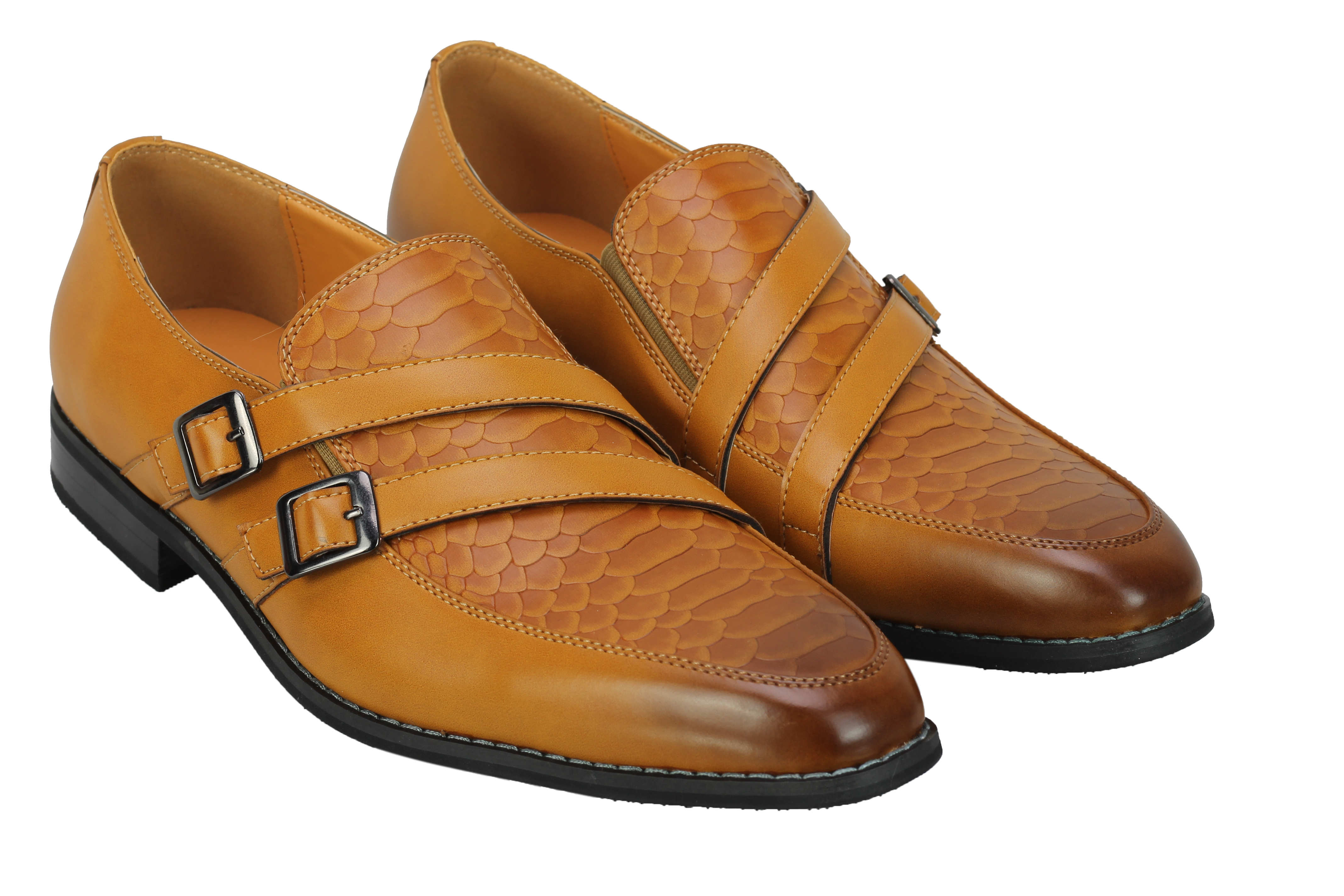
Color And Material Harmony — Mastering shoe color is about undertone and intensity, not strict matching. Neutrals like black, brown, tan, navy, gray, and cream are wardrobe anchors because they blend with both cool and warm palettes. For a streamlined effect, go monochrome or choose a shade slightly deeper than your trousers to elongate the leg. To energize minimal outfits, add a contrast shoe in burgundy, forest, or a muted pastel. Balance shine and matte: patent or metallic finishes punctuate evening looks, whereas pebbled leather or suede adds dimension to daytime layers. Mind texture mixing; pair smooth boots with chunky knits, or suede loafers with crisp cotton for tactile balance. If you coordinate accessories, think cohesion, not perfect matches. Shoes and belts do not have to be identical; related tones and finishes feel modern and intentional. When in doubt, prioritize versatile materials that weather shifts in dress codes, from clean leather sneakers to refined loafers.
Comfort, Fit, And Function — Style endures only if your shoes feel good. Start with fit: check length, width, and arch alignment, ensuring the toe box allows natural splay and the heel does not slip. The last (the form a shoe is built on) dictates interior shape; a compatible last means fewer hot spots. Look for supportive insoles, stable heel counters, and enough cushioning without sacrificing ground feel. Try shoes at the end of the day when feet are slightly fuller, and test with the socks you plan to wear. Distinguish between genuine break-in and a pair that simply does not suit your foot; shoes should feel secure and reasonably comfortable at first wear. Evaluate traction, flexibility, and stability for your terrain and pace, from smooth office floors to cobblestones or wet sidewalks. If you use orthotics, seek removable footbeds or extra depth. Remember that confident movement is a style statement; the best-looking shoes are the ones you can walk in with ease.
Occasion And Outfit Pairings — Match the mood of the event and the energy of your outfit. For casual days, refined sneakers elevate denim, knit dresses, and chore-style layers without trying too hard. For smart casual, loafers, mules, or low block heels bring polish to chinos, pleated skirts, and relaxed blazers. In business settings, choose structured oxfords, sleek derbies, or elegant pumps that echo tailored lines and clean hems; keep soles slim and finishes crisp. For evening, shift to tactile materials and considered shine, like soft suede sandals, sculptural heels, or velvet slippers, balancing dress length and hem shape with the shoe's profile. With dresses, aim for proportion: ankle boots ground floaty midis, strappy sandals lighten column silhouettes, and pointed flats sharpen A-line skirts. Consider climate and commute practicality; a weatherproof boot can be swapped for a dressier pair at your destination. When choices align with activity, setting, and silhouette, the result feels intentional and effortless.
Care, Longevity, And Capsule Strategy — A thoughtful shoe capsule saves time and extends wear. Start with versatile pillars: a clean minimalist sneaker for casual polish, a neutral loafer for smart days, a dependable ankle boot for edge and coverage, a walkable heel or sandal for dress, and a comfortable flat for transitions. Rotate pairs to let materials rest, use cedar shoe trees to absorb moisture and maintain shape, and brush or wipe down after wear. Apply conditioner, protector, or waterproofing suitable to the material, and store in breathable bags or on shelves away from direct heat. Prioritize repair-friendly construction so you can resole and replace heel caps when needed, extending life and value. For travel, select two or three complementary pairs that cover walking, dress, and downtime. Thoughtful upkeep preserves color, structure, and comfort, ensuring your footwear consistently supports your style narrative and remains ready for every look on your calendar.