Family Game Night Ideas That Bring Everyone Together
Discover screen-free family game night ideas—from quick card battles to DIY challenges—that spark laughter, teamwork, and memories for all ages.
Setting the Stage
Transform your living room into a hub of home entertainment by setting an inviting scene for family game night. Dim the lights just enough for coziness, queue gentle background music, and set a simple snack station with finger foods so momentum never stalls. Arrange seating in a circle to keep everyone engaged, and stash devices in a shared basket for a truly screen-free vibe. Establish friendly house rules up front: take turns, cheer for big and small wins, and keep feedback kind. Make roles clear, such as a rotating game captain who explains instructions and a scorekeeper who celebrates both effort and creativity. Keep accessibility in mind with large-print cards, comfy cushions, and easy-to-reach materials. Use short rounds to build confidence and maintain energy, and plan a quick stretch break between games. A playful opening ritual, like a clap pattern or team chant, builds anticipation, while a closing ritual, like naming favorite moments, turns fun into a family tradition you will look forward to.
Twists on Classics
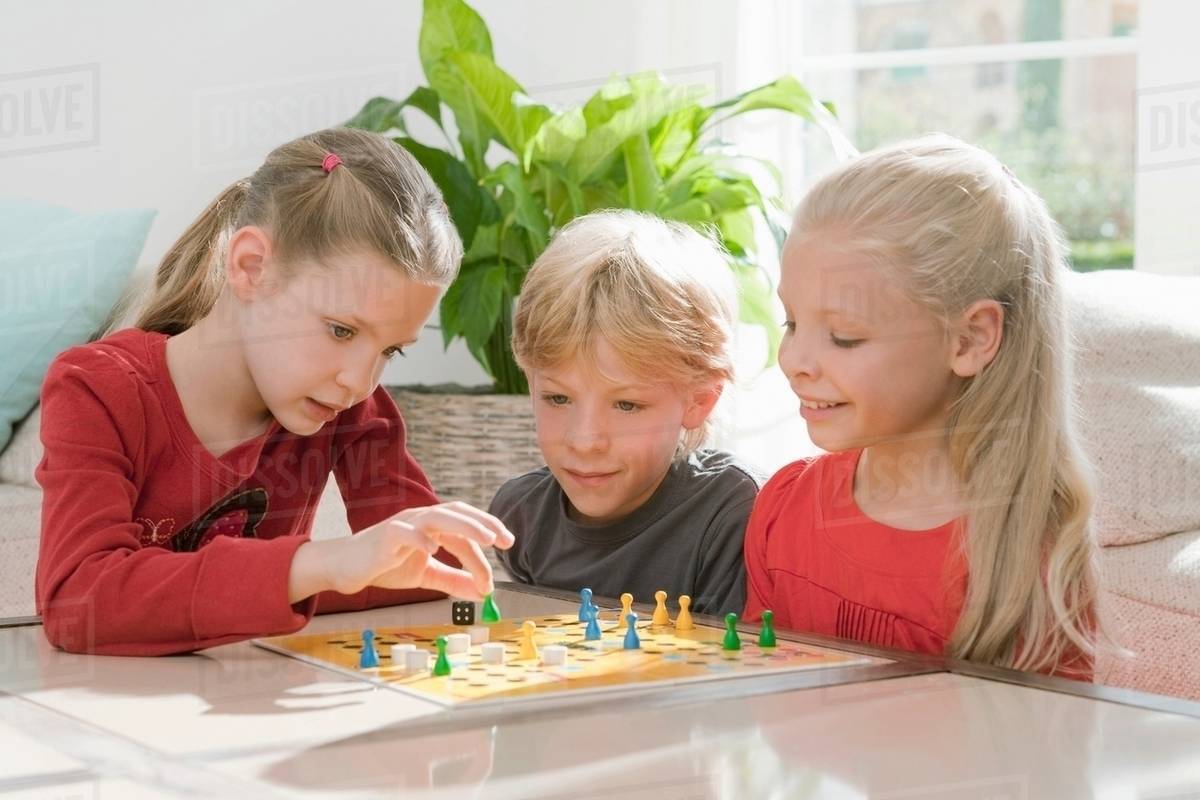
Refresh familiar board games and card games with imaginative variations that spark curiosity and cooperative play. Create friendly alliances by pairing an older player with a younger one in team play, turning strategy into mentorship. Introduce speed rounds with a timer for fast decision-making, or slow it down with storytelling prompts that require players to narrate their moves as mini adventures. Add wildcard cards for surprise setbacks and power-ups, such as skip, swap, or double-help, and award bonus points for sportsmanship or clever teamwork. Try theme nights that color the rules, like pirate, space, or jungle, and encourage light costumes or accents to boost immersion. Build brackets for gentle tournaments where the focus is progress over perfection, or flip to a fully cooperative mode where the table works together to outsmart the game. These tweaks transform tried-and-true favorites into flexible, inclusive experiences that meet every mood while keeping the fun endlessly replayable.
Lively Party Play
Fast, laugh-out-loud party games bring instant energy and togetherness. Rotate classics like charades, drawing challenges, and trivia with inclusive twists that keep every age involved. Try reverse charades where a team acts while one person guesses, or prompt nonverbal clues only, using gestures and sound effects to level the field. Mix in theme-based categories, from animals and travel to kitchen tools and fairy tales, so no one needs niche knowledge. For movement, create a gentle indoor scavenger hunt using texture or color hints, or set up silly relay stations with safe household items like socks, pillows, and paper cups. Minute-style challenges add spark: stack cups with one hand, transfer cotton balls with a spoon, or balance a card on your forehead while walking three steps. Emphasize icebreakers, creativity, and supportive laughter over strict scoring, and empower shy players with roles like clue-writer, timekeeper, or audience judge, ensuring everyone shines in a way that feels comfortable and fun.
Creative Story Builders
Lean into storytelling games to activate imagination, empathy, and shared laughter. Start with a pass-the-story circle, where each person adds one vivid sentence that escalates the plot, or try fill-in-the-blank tales using quirky adjectives, mysterious objects, and surprising settings. Roll homemade story dice with simple icons to inspire characters and twists, or sketch a communal map that charts a journey through forests, castles, and hidden caves. Elevate the experience with DIY touches: craft paper tokens, fold stand-up character pawns, or build a cardboard spinner for prompts like who, where, or why. Younger players can draw a scene while older players narrate it, blending visual creativity with verbal play. Stage a sock-puppet or shadow-puppet mini theater, or produce a one-page comic strip that captures the evening's funniest moment. By co-creating plots and worlds, families practice world-building, active listening, and joyful invention, turning game night into a warm laboratory for imagination and collaboration.
Flow, Rewards, Reflection
Great game nights rely on pacing, gentle rotation, and celebratory reflection. Alternate high-energy challenges with calm brainteasers to keep focus fresh, and appoint a rotating host to guide transitions, track time, and read the room. Keep rewards light and encouraging: sticker crowns for teamwork, bonus points for kindness, or a golden spoon for the best snack creation. End each session with a quick gratitude round that spotlights courage, clever saves, or hilarious blunders, then drop favorite memories into a joy jar to revisit later. Plan a five-minute reset between games for water, tidying, and setup, and consider a theme for next time based on what sparked the most smiles. A cooperative cleanup race turns chores into one last victory lap. Most importantly, stay flexible; let moods, ages, and attention spans shape the lineup. When families leave the table feeling seen and celebrated, tradition takes root, and togetherness becomes the best prize of all.