Esports Explained: A Beginner's Guide to Competitive Gaming
New to esports? Learn how competitive gaming works, top genres and titles, how tournaments run, and simple tips to start watching or playing.
Esports at a Glance Esports, short for electronic sports, refers to organized, competitive video gaming presented as entertainment for live and online audiences. Think of it as the meeting point between interactive play and arena spectacle: skilled players face off under clear rules, while production teams transform matches into a show with commentary, graphics, and storytelling. Unlike casual play, esports emphasizes structured competition, season narratives, and consistent standards that let fans compare performances across events. Viewers tune in for the same reasons they follow traditional competitions: high stakes, rivalries, dramatic comebacks, and mastery under pressure. Games are selected because they reward strategy, teamwork, and mechanical execution, creating moments that are exciting to watch even for newcomers. The scene includes grassroots events, regional leagues, and global finals, giving room for discovery at every level. Most importantly, esports is accessible: you can play the same titles competitors use, learn the basics quickly, and appreciate the action while steadily picking up deeper concepts over time.
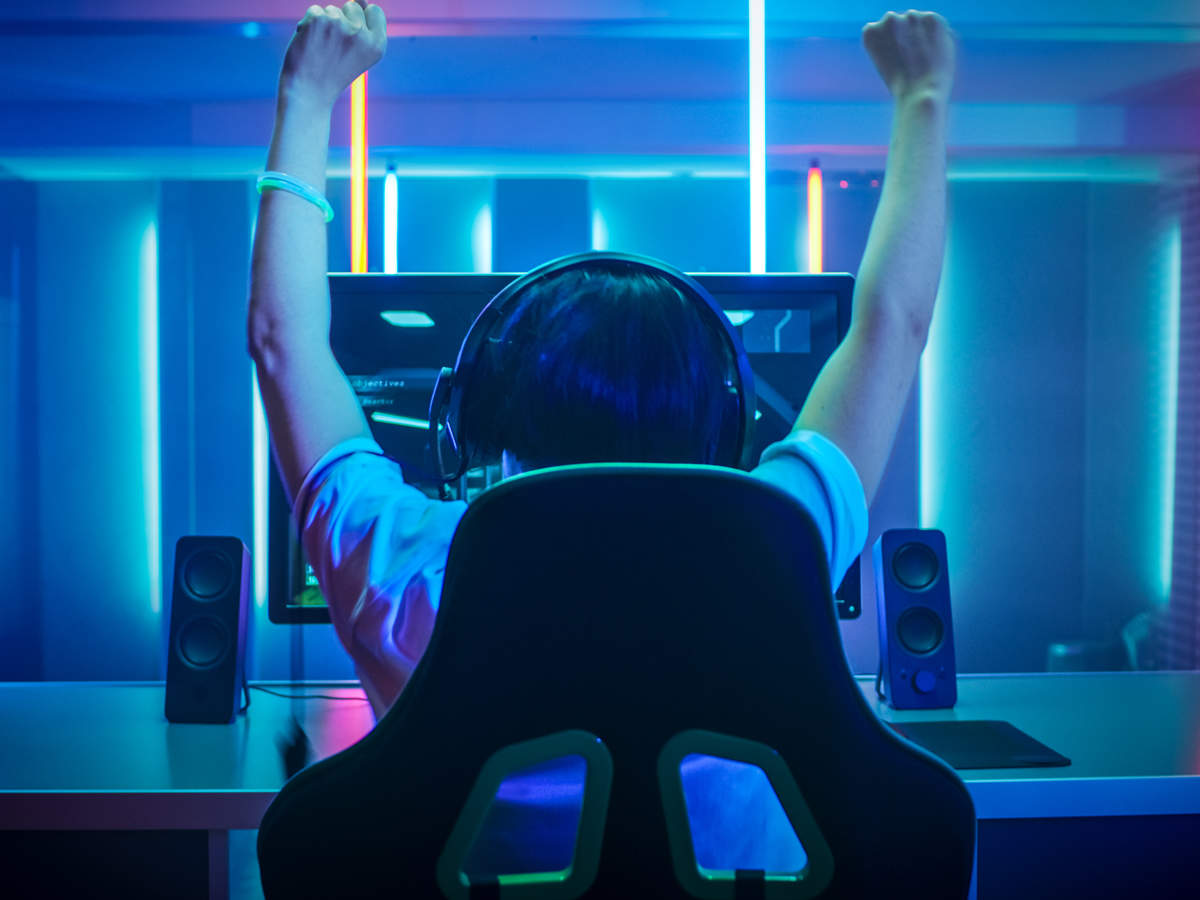
How Competitions Work Esports events are formatted to produce fair, thrilling outcomes while telling a clear story for spectators. Most competitions use brackets or league tables. Group stages and round-robin play are common for seeding, followed by single- or double-elimination tournaments where every map or match can shift momentum. Matches are often played as best-of series to reduce randomness and highlight adaptability. Onstage, referees enforce rules, while casters explain tactics and hype key plays. Behind the scenes, observers capture camera angles, and analysts break down statistics, drafts, and win conditions. Many events feature opening ceremonies, player walkouts, and postgame interviews that put personalities center stage. Production adds replays, graphics, and sound design so newcomers understand objectives like objective control, economy management, or time-based win conditions. Whether team-based or solo, competitive formats reward preparation and composure: teams must read opponents, manage resources, and execute set plays under time pressure, creating a rhythm that blends spectacle, storytelling, and pure competition.
Genres and Playstyles The esports landscape spans multiple genres, each emphasizing different skills and pacing. In multiplayer online battle arenas, coordinated teamwork, vision control, and timing of power spikes drive strategy. First-person shooters highlight aim, positioning, and utility usage, with crisp communication defining site takes and retakes. Battle royale titles spotlight survival instincts, rotations, and risk management as shrinking zones force action. Fighting games showcase mind games, spacing, and frame-perfect execution in intense duels where adaptation happens second by second. Sports and racing simulations test consistency, mechanical precision, and mental endurance across long series. Digital card and strategy games reward deckbuilding, resource planning, and reading an opponent's tendencies. Even within a single genre, styles vary: some teams prefer aggressive tempo, others lean on defensive setups and late-game scaling. Learning the core objectives of each genre helps new fans decode what matters: when to trade, where to position, how to exploit a timing window, and why small advantages become match-winning leads.
Players, Teams, and Training Success in esports blends individual skill with disciplined structure. Professional players refine mechanics through drills, custom lobbies, and aim or execution trainers, then test concepts in scrims—private practice matches against other teams. Daily routines often include VOD review, where coaches and analysts dissect decisions, pathing, drafts, and communication to reinforce good habits. Teams are built around complementary roles: entry fraggers and supports, shot-callers and anchors, playmakers and stabilizers. Staff may include coaches, analysts, managers, and performance specialists focusing on sleep, nutrition, posture, and mental resilience. Players study macro (overall strategy and resource tradeoffs) and micro (precise controls and skirmishes), developing playbooks for different opponents and scenarios. Beyond mechanics, great teams master culture: clear callouts, respectful feedback, and trust under pressure. Aspiring competitors benefit from balanced schedules that mix practice with recovery, because sustained improvement depends on focus, health, and a growth mindset as much as raw talent.
Becoming a Fan or Player Getting started is simple: pick a game that excites you, learn its objectives, and play a few matches to understand pace and roles. Basic gear—a reliable display, responsive controls, and a comfortable headset—helps you focus on fundamentals like positioning and timing. Use training modes to build muscle memory, then apply skills in casual queues before trying ranked ladders. As a viewer, begin with beginner-friendly broadcasts, listen to casters, and watch postmatch breakdowns to pick up terminology such as cooldowns, rotations, and win conditions. Follow team storylines to add context: every rivalry, roster change, and underdog run deepens the entertainment. Engage respectfully with communities, sharing highlights and asking questions; good etiquette and sportsmanship make the scene welcoming. Set achievable goals—improving crosshair placement, last-hitting, or resource efficiency—and track progress over time. Whether you lean toward fandom or competition, curiosity and consistency will keep the experience rewarding and fun.
The Bigger Picture and Future Trends Esports is more than matches; it's an ecosystem where players, organizers, creators, and fans collaborate to produce entertainment. Revenue flows through tournaments, team branding, merchandise, media rights, and sponsorships, supporting careers beyond the stage: broadcast production, observing, event management, coaching, content creation, social media, and community leadership. Growth depends on accessibility, competitive integrity, and inclusive pathways from local clubs to premier leagues. Expect ongoing improvements in training tools, anti-cheat systems, spectator features, and in-game education that make watching and playing more intuitive. Live events will continue blending music, cosplay, and fan activities, while online experiences add interactive overlays and real-time stats for deeper viewership engagement. For newcomers, the takeaway is simple: esports thrives when strategy, personality, and showmanship meet. Whether you dream of competing, crafting storylines, or cheering from home, there's a role for you in this evolving stage where play becomes performance.