Decoding Food Labels: What to Look For at the Supermarket
Master food labels with quick tips: check serving size, added sugars, fiber, sodium, ingredients, and claims—shop smarter and choose truly better options.
Start with the Nutrition Facts — The Nutrition Facts panel is your map to smarter choices in the food and groceries aisle. Begin at the top with the serving size, because every number that follows reflects that reference amount. Check calories to understand energy per serving, then scan macronutrients like fat, carbohydrates, and protein for balance. The % Daily Value shows how much a nutrient contributes to a typical daily intake; a lower percentage means less of that nutrient per serving, while a higher one means more. Use it to quickly compare items in the same category, such as two soups or two cereals. Pay attention to fiber, sodium, added sugars, saturated fat, and calcium or iron, depending on your goals. Remember that front-of-pack badges can be persuasive, but the panel on the back is standardized and consistent. When in doubt, let the numbers guide you, not marketing colors, fonts, or enticing adjectives.
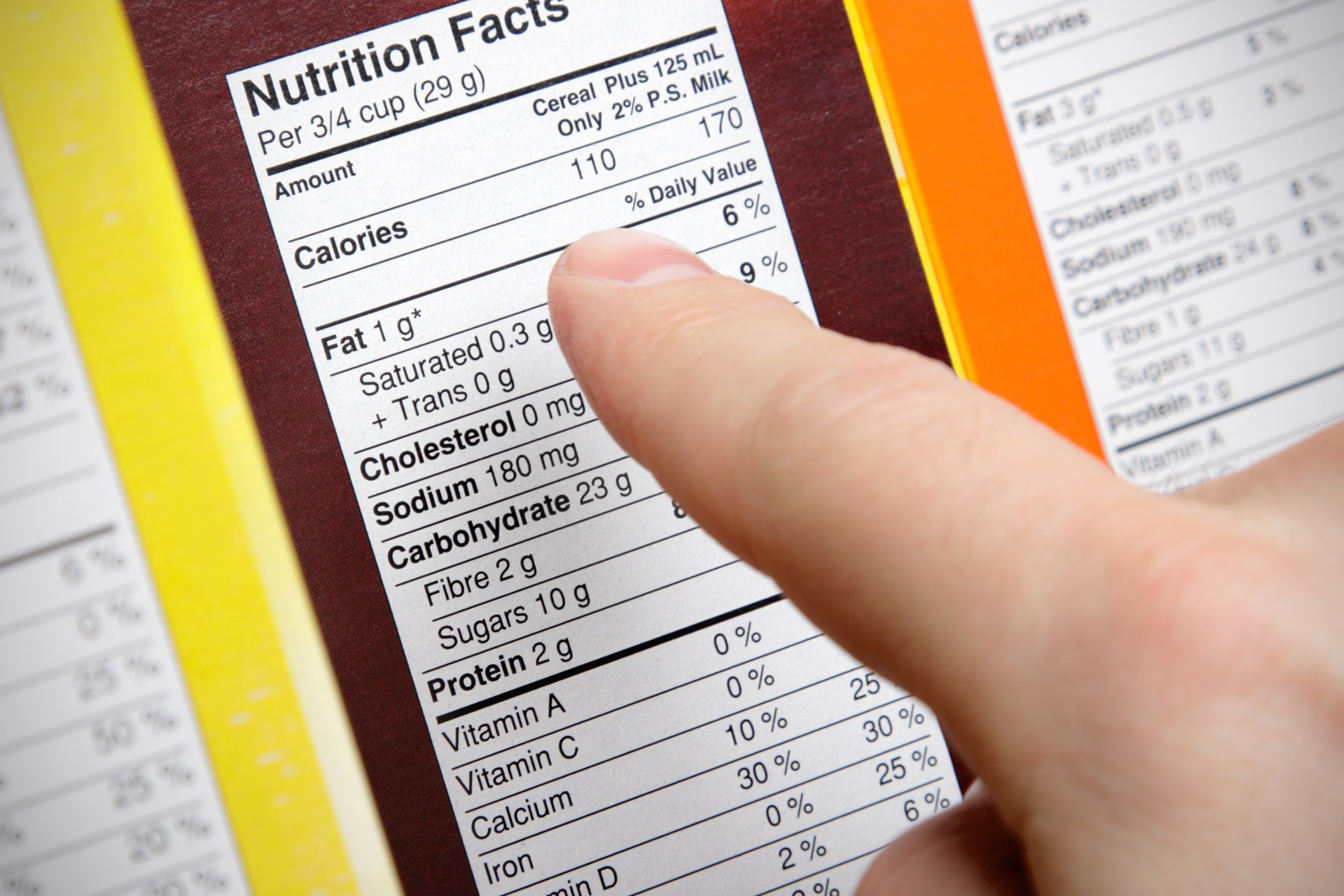
Master Serving Sizes — A label's serving size is a measuring tool, not a command. Your actual portion may be larger or smaller, so adjust the numbers accordingly. Packages often contain more than one serving, which can quietly multiply calories, sodium, and added sugars. For example, a small bag that looks like a single snack can hide multiple servings, and a bottle of tea or juice may represent more than one glass. Compare the listed grams or milliliters to what you truly pour or plate. Kitchen scales, measuring cups, or even visual cues like a cupped hand or deck-of-cards analogy can help. When cooking, consider how sauces, dressings, and toppings add up beyond the base item. If the serving size seems unusually small, it might be a sign to check whether the product fits your routine. Understanding portions empowers you to personalize the label to your needs, rather than letting the package define your meal.
Decode the Ingredients List — The ingredients list reveals the story behind the numbers. Ingredients appear in descending order by weight, so the first few items carry the most influence. Look for whole foods near the top, such as whole grains, legumes, nuts, seeds, and recognizable produce. To spot better grains, choose whole wheat or whole oats rather than enriched flour. Watch for a parade of sugar synonyms like cane sugar, corn syrup, honey, maltose, or fruit concentrates; scattering sweeteners by name can disguise how much is included overall. Be cautious with hydrogenated or partially hydrogenated oils, a red flag for undesirable fats. Shorter, simpler lists often mean fewer additives, though simplicity is not the only measure of quality. If you have sensitivities, review the allergen statement for common triggers. Use the ingredients list to confirm front-of-pack promises, ensuring the product's core truly matches its claims.
Sugar Smarts: Total vs Added — On many labels, total sugars include both naturally occurring sugars and added sugars. Naturally occurring sugars in foods like plain dairy or fruit accompany fiber, vitamins, or minerals, while added sugars contribute sweetness without much else. Prioritize products with lower added sugars, especially in everyday items like breakfast cereals, yogurts, sauces, and beverages. Compare similar products to find a version that balances taste with a modest sugar profile. Practical swaps help: choose plain yogurt and add fruit, select unsweetened milks, or pick tomato sauces without added sweeteners. Remember that sweetness often appears where you might not expect it, including bread, salad dressings, and condiments. If a product is sweet and the ingredients list shows multiple sweeteners, the sugar load may be higher than the panel alone suggests. Training your palate to appreciate less sweetness makes these choices easier over time.
Salt and Fat in Focus — Sodium plays a major role in flavor and preservation, but it can add up quickly in deli meats, canned soups, sauces, and frozen meals. Compare the % Daily Value for sodium across brands, and choose low-sodium or no-salt-added options when possible. Simple tactics help, like rinsing canned beans to reduce sodium or balancing a salty item with fresh produce. For fats, distinguish between saturated fats and unsaturated fats. Foods rich in unsaturated fats, such as nuts, seeds, and certain oils, can support heart health when used in moderation. Keep an eye out for partially hydrogenated oils, which signal problematic fats even if the panel lists very small amounts. Be mindful of claims like light or reduced fat; these can shift the balance toward added sugars or sodium to compensate for flavor. Let the overall pattern guide you: reasonable sodium, more unsaturated than saturated fats, and minimal highly processed additives.
Claims and Certifications, Demystified — Packages often carry bold claims that sound impressive but vary in meaning. Terms like natural are loosely defined, while others, such as organic or gluten-free, follow specific standards. Remember that organic describes how ingredients are produced, not necessarily the nutrition profile. Non-GMO addresses genetic engineering, not overall healthfulness. Phrases such as multigrain or made with whole grains may still feature mostly refined flour, so verify by checking for whole as the first grain in the ingredients list. Allergen-focused claims are valuable when relevant, but they do not guarantee lower sugar, sodium, or better fiber. Marketing on the front sets expectations, yet the Nutrition Facts and ingredients list reveal the product's true character. Use certifications as one piece of the puzzle, then confirm with the panel. The more a claim sounds like a shortcut, the more important it is to read the details.
A Smart Shopping Strategy You Can Repeat — Build a simple routine to make label reading fast. First, shortlist by scanning the ingredients list for whole, recognizable foods and minimal unnecessary additives. Next, compare the % Daily Value for key nutrients: aim for higher fiber and protein when appropriate, and keep added sugars, sodium, and saturated fat in check. Weigh portion realities by asking whether the serving size reflects how you actually eat. When two products are close, pick the one with fewer sweeteners and more whole-food ingredients. For pantry staples like cereals, breads, and sauces, find a couple of reliable options and rotate for variety. Consider unit price to balance nutrition and budget, and remember that store brands can meet the same standards. Over time, you will recognize patterns, reducing decision fatigue. The goal is not perfection, but a consistent, informed approach that fits your taste, lifestyle, and health goals.