Cultural Etiquette Essentials Every Traveler Should Know
Master greetings, dress, dining, and local norms worldwide. Essential etiquette tips to avoid missteps and build respectful connections on every trip.
Greetings and First Impressions: First encounters set the tone for your journey, so prioritize respect, curiosity, and humility. Greetings vary widely: a gentle handshake, a slight bow, a cheek kiss, or a palms-together salutation might be customary. When unsure, pause and mirror the host's cue. Use polite forms of address and learn a few local phrases to convey goodwill. Maintain an open posture and a warm smile, but avoid overfamiliarity. In some places, titles and family names are preferred over first names, especially with elders or professionals. Exchanging business cards or contact details may be done with two hands as a sign of care. Avoid loud voices during introductions, and be mindful of tone—friendly yet measured. Keep your hands visible when greeting and resist pocketing them. If you make a mistake, a brief, sincere apology and a willingness to adapt earns grace. Above all, let locals set the pace, follow their lead, and treat the introduction as an invitation to learn.
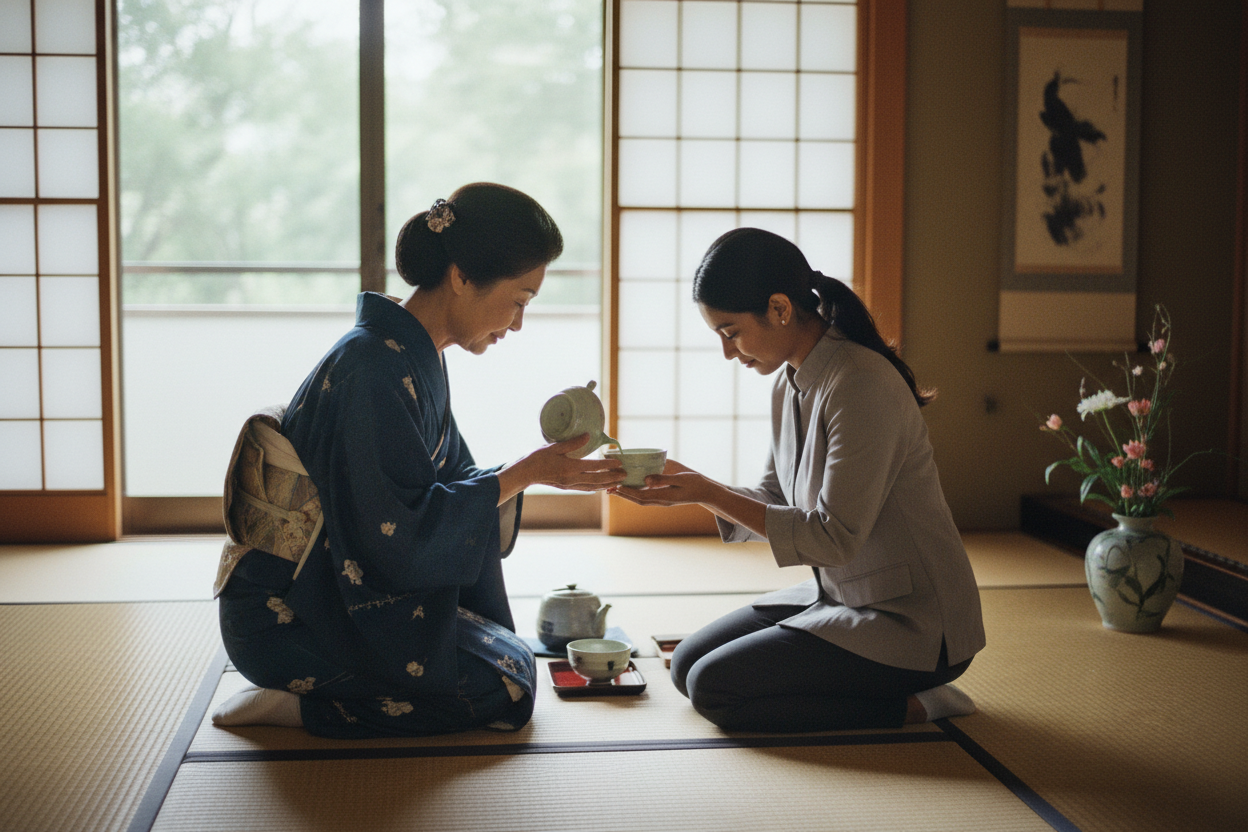
Body Language and Personal Space: Culture profoundly shapes nonverbal communication. Norms around eye contact range from essential to intrusive; when uncertain, aim for gentle, intermittent contact. Personal space expectations also differ: some communities prefer close proximity, while others value a wider buffer. Be cautious with touch; a friendly pat or hug can be welcome in one place and inappropriate in another. Avoid pointing directly at people; gesture with an open hand instead. In many regions, the right hand or both hands are used for giving and receiving, while the left is avoided in formal exchanges. Keep feet off furniture and do not point them toward people or sacred objects. Refrain from touching anyone's head, especially children, where it may hold symbolic importance. Sit and stand with poise, and be mindful about crossing legs in formal settings. When in doubt, observe. Locals' posture, gestures, and proxemics provide a real-time guide to what feels comfortable and respectful.
Dining Etiquette and Table Manners: Food reveals the heart of a culture, making table etiquette a vital skill. Observe how others begin meals; many wait for the host to invite diners to start or for a brief blessing. Tool use varies: practice with chopsticks, eat neatly with hands where customary, and avoid mixing utensils across courses unless invited. Never stick chopsticks upright in a bowl, and avoid playing with utensils. With communal dishes, serve yourself modest portions, or let the host portion for you. In some places, finishing everything signals appreciation; in others, leaving a small amount shows you were satisfied—watch local habits. Pace yourself for toasts, sipping rather than draining glasses, and never refill your own drink before offering to others. Keep conversation light—safe topics include food, scenery, and shared experiences. If you have dietary needs, mention them discreetly in advance. When the bill arrives, the host may insist on paying; accept graciously or offer to reciprocate later. Above all, dine slowly, observe cues, and show gratitude.
Dress Codes and Sacred Spaces: Clothing communicates respect, so match attire to context. In many destinations, modesty is appreciated: covering shoulders and knees may be expected in formal or religious settings. Pack a light scarf or wrap to adapt easily. Remove shoes when entering certain homes, temples, or traditional venues; look for signs or follow others' lead. Hats may be discouraged indoors, while head coverings can be a sign of courtesy in sacred spaces—if offered, accept respectfully. Keep voices low; avoid posing loudly or blocking pathways. Refrain from touching altars, icons, or ritual items unless invited. Watch for gender-separated areas and respect restricted zones. Beachwear belongs on the beach; away from the shore, opt for neat casual wear. Avoid slogans that could be misread or provocative. When uncertain, choose classic, neutral colors and simple silhouettes. By dressing with intention and observing local cues, you demonstrate cultural sensitivity that opens doors to deeper, more welcoming encounters.
Gifts, Money, and Tipping Norms: Exchanging gifts or money can be warm gestures, yet customs vary. Offer and receive items with the right hand or both hands as a sign of care. Some cultures prefer gifts to be wrapped and opened later; others open them in your presence—follow the host's lead. Be mindful that certain colors, numbers, or objects carry symbolic meanings; when in doubt, choose consumables or local specialties. Tipping practices differ widely: in some places it's standard, in others it can be unusual or even discouraged. If tipping is customary, round up or add a modest percentage; if a service charge is included, additional gratuity may be unnecessary. Bargaining can be part theater and part tradition; keep it friendly, fair, and unhurried. Queue politely, avoid cutting lines, and respect posted prices in fixed-price shops. Handle cash neatly, avoid flaunting large sums, and store valuables discreetly. Gratitude, tact, and discretion go further than any currency.
Communication, Punctuality, and Photography: Effective travel hinges on clear communication and respect for local rhythms. Some cultures value directness, while others prefer indirect phrasing to preserve harmony; soften requests with polite modifiers and read the room. Silence can be comfortable—do not rush to fill it. Attitudes to time vary: certain places prize strict punctuality, while others allow flexible starts. Arrive early for official meetings and be patient at social gatherings. Practice queue etiquette, offering your spot to elders or those in need. Before taking photos, ask permission—especially of people, private property, performances, and sacred sites. Seek verbal consent or gesture respectfully, and accept a no without pushback. Avoid blocking views, using flashes in restricted areas, or disturbing rituals. Keep phones on silent in quiet spaces and refrain from recording conversations. A genuine thank you in the local language, paired with attentive listening and mindful timing, turns simple interactions into lasting, positive connections.