Create the Ultimate Grocery List for Stress-Free Shopping
Cut time, save money, and skip the stress. Build a smart, aisle-by-aisle grocery list with meal plans, budgets, and zero-waste tips.
Start With Clear Goals: A calm grocery trip begins before you grab the cart. Define your meal planning purpose: Are you feeding a family, stocking a shared kitchen, or prepping solo? Clarify dietary needs, preferred cuisines, and how many meals you aim to cover. Set a simple budget that aligns with your routine, then do a quick pantry audit to see what you truly need. Note what's low, expired, or overstocked, and highlight core staples you never want to run out of, like grains, oils, spices, and proteins. Decide on a shopping frequency that fits your schedule and helps maintain freshness. Build your list around what you already have to minimize waste. When you establish priorities—nutrition, convenience, taste—you avoid impulse buys and stay focused. Jot down any upcoming events, guests, or busy days to guide portion sizes and prep. Clear goals turn your grocery run into a purposeful plan instead of a guessing game.
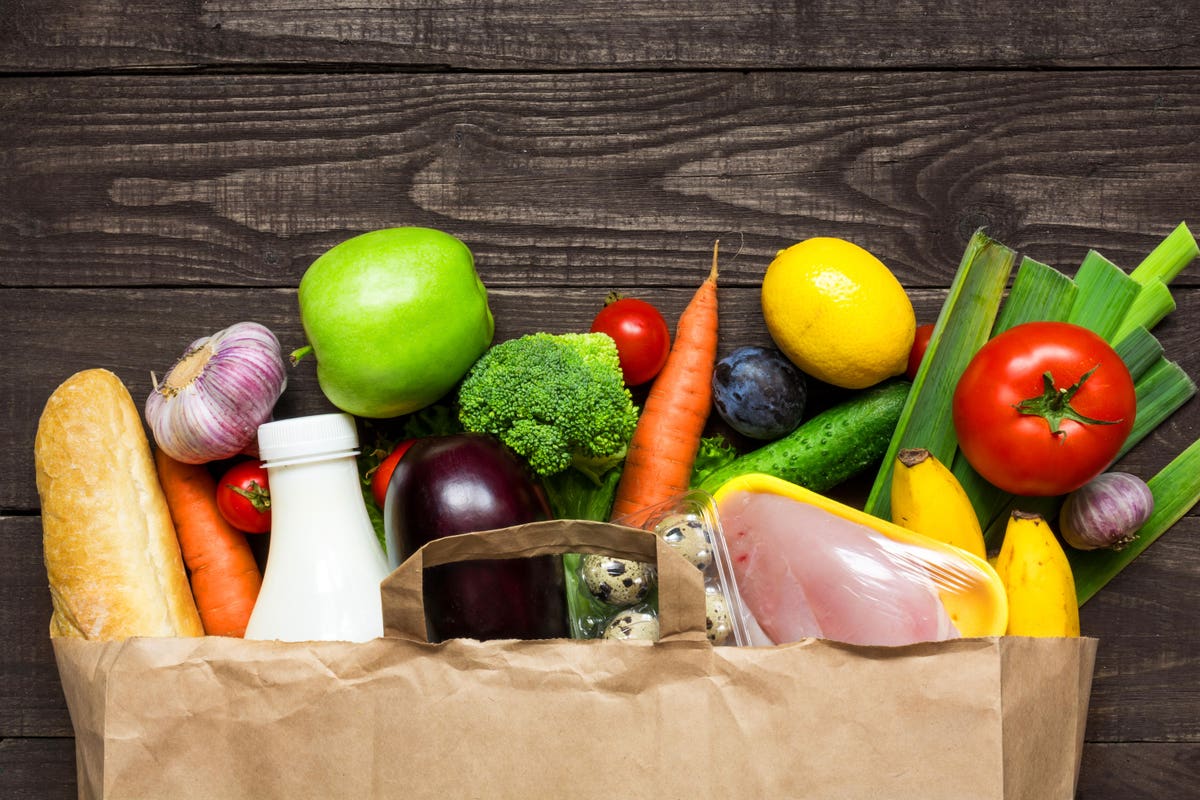
Build a Reusable Master List: Create a living master list you'll use every time, organized by broad categories that reflect how you cook and eat. Common groups include produce, proteins, dairy or dairy alternatives, grains and bread, canned and dry pantry, sauces and condiments, freezer goods, snacks, beverages, and household basics like paper products and cleaning supplies. Within each section, include your essentials—items like oats, rice, beans, eggs or tofu, yogurt, leafy greens, onions, garlic, and cooking oils. Leave space for rotating items such as seasonal fruits, special spices, or a new sauce to explore. Keep the list accessible—on your phone notes, in a shared app, or as a laminated sheet with checkboxes on the fridge. Mark what's urgent, what can wait, and what's a backup. This system reduces decision fatigue, speeds up planning, and ensures you never forget the small but critical items that power weeknight meals.
Map Your Meals and Batch Ingredients: Link your list to a simple meal map so ingredients earn double duty. Choose a few anchor recipes—like a roasted vegetable tray, a hearty soup, and a grain bowl base—then use ingredient overlap to save money and time. Broccoli can star in stir-fries, omelets, and pasta; chickpeas can bulk up salads, wraps, and curries. Plan batch cooking sessions for items like grains, beans, and proteins, and schedule leftovers purposefully as next-day lunches. Break meals into components: base (grain or greens), protein (legumes, eggs, chicken, tofu), color (seasonal veggies), and flavor (sauces, herbs, citrus). Estimate amounts realistically, converting recipes into quantities on your list so you buy with precision. Add snacks and quick breakfasts—fruit, yogurt, nut butter, or granola—to curb midweek scrambles. When meals are mapped, your list becomes a blueprint, not a wish list, making stress-free shopping far more likely.
Organize by Store Layout and Labels: Arrange your list in the order you'll move through the store to minimize backtracking. Group items by aisles or zones: produce first, bulk bins, bakery, center shelves, dairy or alternatives, meat or plant proteins, freezer, and household. Note the store layout and adjust as needed—some markets place bakery upfront or dairy in the back. Mark cold or frozen items to grab last to keep a strong cold chain. For packaged goods, plan extra time to read labels for allergens, sodium, added sugars, and ingredient quality. Keep your specific dietary preferences in mind—gluten-free, plant-forward, low-sodium—and flag trustworthy brands. Use quick cues like color-coding: green for fresh, blue for frozen, orange for pantry. A layout-aware list reduces decision stalls, keeps you efficient, and limits impulse laps. You'll leave with everything you intended, packed logically for easy unloading and storage.
Shop Smarter: Quality, Value, and Seasonality: Make choices that balance quality and value. Compare the unit price to spot the best deal, but weigh it against perishability—bulk isn't a bargain if it spoils. Favor seasonal produce for peak flavor and savings; when out of season, pivot to frozen or hearty standbys like cabbage, carrots, and squash. Assess freshness with your senses: crisp greens, firm fruits with gentle give, and vivid color. For proteins, check for clean smell, proper packaging, and minimal added solutions. Evaluate store brands; many offer reliable quality at lower prices. Plan substitutions—spinach for kale, lentils for ground meat, Greek yogurt for sour cream—to adapt on the fly. Choose versatile condiments and spices that stretch across recipes, like citrus, soy sauce or tamari, vinegars, and garlic. Smart decisions at the shelf turn a list into a strategic tool that protects both your palate and your wallet.
Streamline With Prep and Storage Routines: The trip isn't over at checkout. A short prep routine transforms your haul into ready-to-cook building blocks. Rinse and dry greens, chop sturdier vegetables, and portion proteins. Label containers with item and date, and practice FIFO—first in, first out—to curb waste. Pre-cook a batch of grains or beans, roast a sheet pan of vegetables, and blend a house dressing for instant flavor. Create snack stations with cut fruit, nuts, and yogurt so healthy choices are a grab away. Use airtight containers, wrap herbs in slightly damp towels, and keep ethylene-producing fruits apart from sensitive produce. Portion meat or tofu into meal-size packs and freeze extras. Keep a quick inventory note on the fridge to track prepped items and their ideal use window. With a consistent routine, weeknights become plug-and-play, and your list pays dividends long after you unload the bags.
Keep It Flexible and Stress-Free: Even the best plan benefits from flexibility. Build in backup meals—simple pasta, grain bowls, omelets, or bean soups—that rely on pantry heroes when schedules change. Leave a buffer in your cart and budget for a spontaneous find, like a vibrant herb bundle or a new spice blend. If the store is out of a key item, pivot with smart substitutions; zucchini for bell peppers, couscous for rice, or canned tomatoes for fresh. Keep a calm pace, stick to your priorities, and skip aisles that don't serve your plan. At home, do a quick review: what worked, what you overbought, and what needs to be used first. Update your master list accordingly so each trip gets easier. With a light touch and a clear system, stress-free shopping becomes a habit—one that saves time, reduces waste, and keeps delicious, nourishing food within easy reach.